Understanding the Concept of Facial Age Estimation
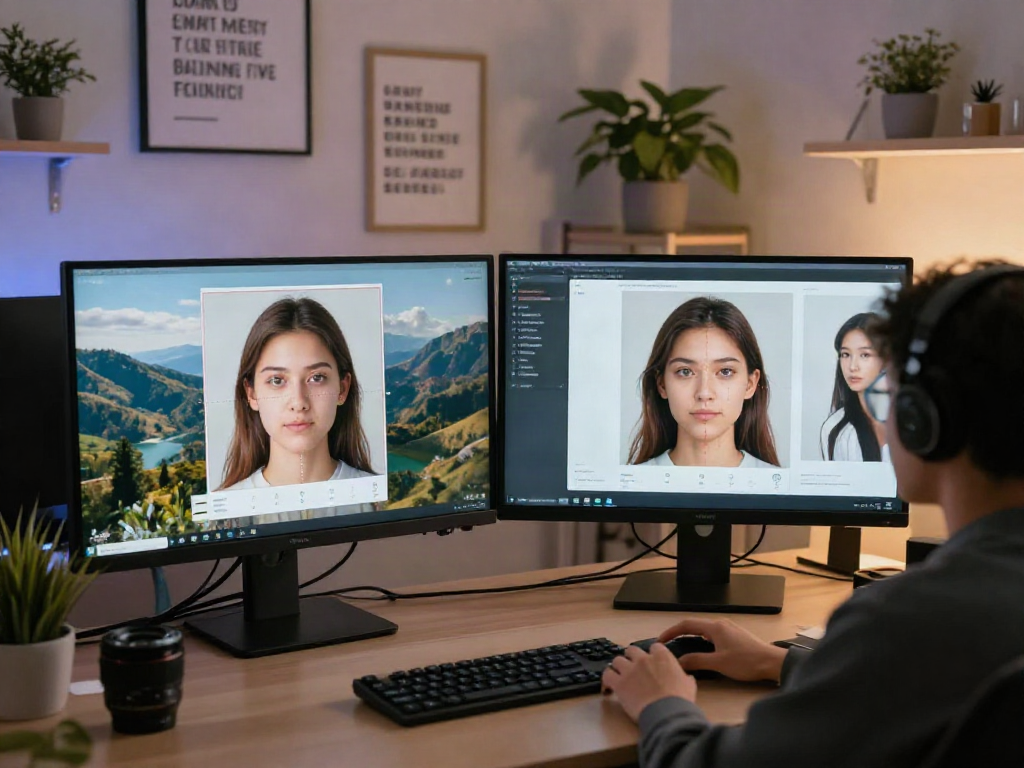
In today's digital age, the fascination with appearance and age perception has grown tremendously, leading to the creation of various online tools designed to help individuals answer the common question: how old do I look? These tools utilize advanced algorithms and artificial intelligence to analyze facial features and provide an age estimation based on the visible signs of aging. The rise of such technology reflects not only personal curiosity but also a cultural obsession with youth and beauty.
When exploring options, how old do I look provides comprehensive insights into this engaging topic, allowing users to discover their perceived age through a simple photo upload, thus sparking discussions about beauty standards and societal expectations.
What Does "How Old Do I Look" Mean?
The phrase "how old do I look" encapsulates a common inquiry into one's perceived age as seen by others. It signals a desire to gauge the impact of genetics, lifestyle, and skincare on one's appearance. Often posed in social interactions, this question can evoke mixed feelings—ranging from curiosity to anxiety—about aging and societal benchmarks of beauty.
The Science Behind Facial Age Estimation
Facial age estimation combines principles from dermatology, psychology, and technology. Researchers have identified various skin markers, such as wrinkles, skin texture, and pigmentation changes, that influence perceived age. By employing machine learning algorithms, age estimation apps can analyze uploaded images to assess these factors accurately.
Common Misconceptions About Age Guessing Apps
Despite their growing popularity, age guessers often face criticism and skepticism. Many people mistakenly believe these tools provide infallible results. In reality, estimations can vary significantly based on lighting, facial expressions, and even the quality of the initial photo. Understanding the limitations of these tools is crucial for users to appreciate them as fun rather than definitive assessments.
Popular Apps and Their Features
Overview of Leading Age Estimation Apps
Numerous apps have emerged in the age estimation market, each with unique features aimed at enhancing user experience. Prominent players include FaceAge.ai, Fotor, and BeautyPlus. These applications allow users to upload a selfie or choose an image from their gallery to receive an analysis of how old they look.
Unique Features of Each App
- FaceAge.ai: Utilizes deep learning algorithms to provide rapid results with a focus on privacy.
- Fotor: Offers a user-friendly interface, allowing free access without requiring signup.
- BeautyPlus: Incorporates filter features alongside age estimation, appealing to social media enthusiasts.
User Experiences and Reviews
When evaluating these applications, user feedback can be invaluable. Many users appreciate the entertainment value and the novelty of visualizing their perceived age, while some express disappointment when estimations differ from their expectations. It's essential for users to approach the results of these apps with a pinch of salt and an understanding of their entertainment nature.
The Role of AI in Age Estimation
Introduction to AI Technologies Used
Age estimation tools rely on sophisticated artificial intelligence technologies, particularly computer vision and machine learning. These technologies analyze various facial features and their corresponding age-related changes, leveraging vast datasets to improve accuracy.
Machine Learning and Its Impact on Accuracy
Machine learning enhances age estimation by allowing software to learn from vast amounts of image data, continually improving its predictive capabilities. As the algorithms refine their understanding of age-related features, they become more adept at providing accurate estimations tailored to individual cases.
Future of AI in Age Estimation Technologies
The future of AI in age estimation looks promising, with advancements expected in facial recognition accuracy and the personalization of results. As these technologies evolve, they may incorporate additional factors such as background context and lifestyle-related data, refining age predictions further.
Practical Applications of Age Estimation Tools
Social Media Engagement and Fun
Many individuals use age estimation tools to engage their friends and followers on social media platforms. By sharing results, users can spark conversations, humor, and even debates about societal perceptions of aging.
Identifying and Understanding Beauty Standards
These tools offer a unique lens through which to view societal beauty standards, enabling critical discussions about the pressure to conform to youthful ideals. Users can reflect on their self-image and the influence of media portrayals of aging.
Educational Uses in Psychology and Sociology
From an educational standpoint, age estimation tools can serve as case studies in psychology and sociology courses, facilitating discussions about the psychological effects of aging on self-esteem and identity.
Future Trends in Age Estimation Technologies
Emerging Technologies and Predictions for 2026
As we move towards 2026, new technologies such as augmented reality (AR) and virtual reality (VR) are poised to change the landscape of age estimation. These advancements may provide users with interactive, immersive experiences that go beyond simple photo analysis.
Potential Ethical Considerations
The rise of age estimation tools raises ethical questions, particularly regarding privacy and consent. With the ability to analyze personal images, users must be aware of how their data is collected and used, prioritizing applications that respect user privacy.
How to Use These Tools Responsibly
Responsible use of age estimation tools involves understanding their limitations, sharing results in a light-hearted manner, and respecting the feelings of others regarding age and beauty standards. Users should prioritize well-being over mere curiosity.
What Are the Potential Risks?
While these tools can be entertaining, it's important to recognize the potential risks, including the reinforcement of negative self-image and unrealistic beauty standards. Users must navigate the emotional terrain these applications can elicit with care.
Will Age Estimation Change Social Interactions?
As age estimation technologies proliferate, they could influence social interactions by promoting discussions around age, beauty, and self-perception. This might lead to shifts in how society views aging—potentially normalizing aging and promoting acceptance.