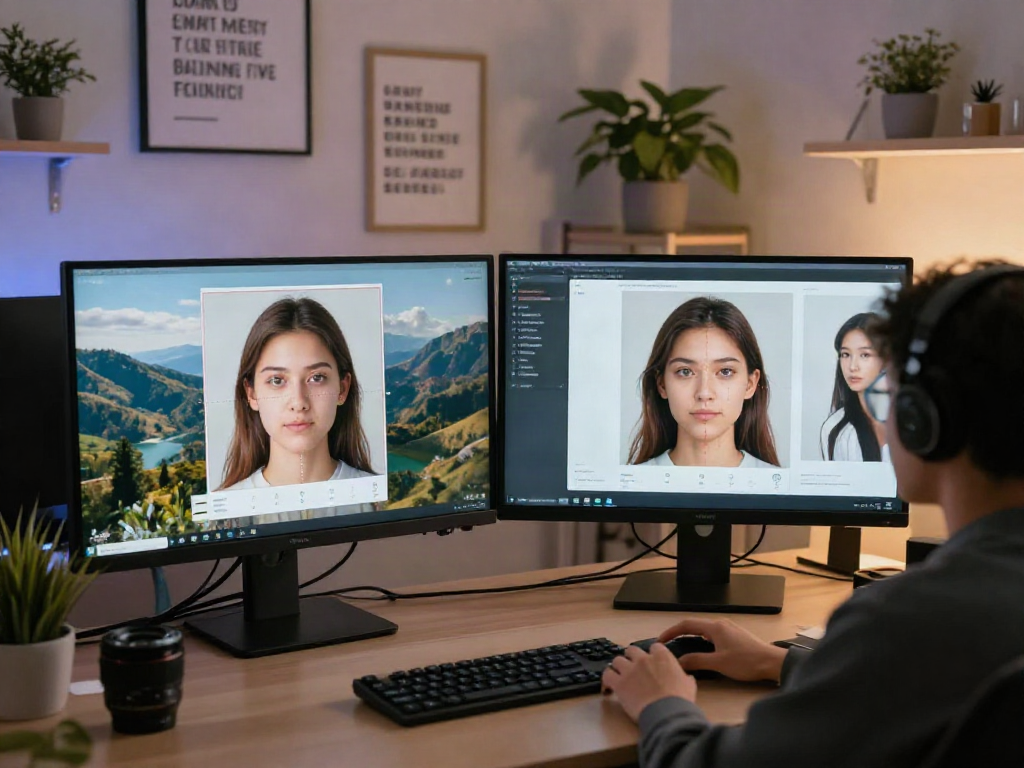
Understanding the Concept of Attractiveness Testing
Attractiveness testing has become a fascinating area of interest, blending science and social psychology to explore how we perceive beauty. As digital technology evolves, the ability to quantitatively measure attractiveness has emerged, leading many individuals to seek methods to gauge their appeal. When exploring options, test attractiveness has surfaced as a popular method where users can analyze their facial features through AI tools. But what does it really mean to test your attractiveness, and how can these assessments provide insight into our perceptions of beauty?
What is a Test Attractiveness?
A test attractiveness generally refers to a digital or psychological evaluation aimed at determining an individual's perceived beauty. These evaluations often leverage AI and machine learning algorithms to provide a measurable score based on various factors, including facial symmetry, proportion, and other aesthetic standards. The scores are typically presented on a scale (like 1-10 or 0-100), which can be both intriguing and revealing for users seeking to understand their beauty from an objective standpoint.
The Science Behind Attractiveness
The concept of attractiveness is deeply rooted in psychological and biological theories. Studies have shown that certain traits—symmetry, clear skin, and average features—tend to be universally preferred. Researchers often reference the "golden ratio," a mathematical ratio often associated with physical beauty that appears frequently in nature and human faces alike. Understanding these principles allows us to grasp how attractiveness is often measured in quantitative rather than solely qualitative terms.
Common Misconceptions about Attractiveness Testing
Despite its popularity, there are several misconceptions surrounding attractiveness testing. Many individuals may believe that these tests provide definitive conclusions about one's beauty, but in reality, they are subjective assessments influenced by cultural and societal standards. Additionally, the reliance on AI can lead to debates about the accuracy and fairness of such tests, as they may not account for personal uniqueness and societal diversity.
How AI Powers Attractiveness Testing
Artificial Intelligence (AI) has transformed the way we evaluate beauty, enabling users to receive instant feedback on their photographs. The integration of advanced algorithms allows these testing tools to analyze a variety of facial features, providing insights previously unavailable to individuals.
The Role of AI in Evaluating Facial Symmetry
AI's expertise in evaluating facial symmetry is one of its greatest strengths in attractiveness testing. Research shows that symmetrical faces are often perceived as more attractive, making symmetry a critical metric in these evaluations. AI algorithms can quickly assess an individual's face against benchmarks to determine how closely it aligns with symmetrical ideals.
Technological Advances in Image Processing
Recent advancements in image processing have also enhanced the precision of attractiveness tests. High-resolution imaging and sophisticated pattern recognition algorithms allow for detailed analysis of facial features, including skin tone and texture. Consequently, these technological improvements help create a more reliable assessment of beauty based on multifaceted criteria.
Interpreting Attractiveness Scores: What They Mean
Understanding the scores generated by attractiveness tests is crucial. A score is not a blanket statement about beauty; rather, it provides insight into how one might be perceived by others based on established metrics. Users should interpret these scores with caution and understand that they are influenced by societal standards and cultural contexts.
Practical Applications of Attractiveness Testing
Attractiveness testing serves various practical purposes across multiple domains, including self-improvement, dating, and professional branding. Understanding its applications can offer significant advantages in personal and professional life.
Self-Improvement and Personal Branding
Many individuals use attractiveness tests as a tool for self-improvement. By receiving a quantitative score and feedback, users can identify specific facial features they may want to enhance, guiding decisions like hairstyle changes or makeup choices. Moreover, in a social media-driven marketplace, personal branding often hinges on visual appeal. Individuals can fine-tune their online presence based on insights gained from these tests.
Attractiveness Testing in Dating and Relationships
In the realm of dating, attractiveness scores can influence perceptions and interactions. While it’s important to remember that beauty is subjective, understanding how one’s features measure against societal ideals may impact confidence in dating scenarios. Additionally, some dating apps have begun to incorporate image analysis into their platforms, allowing users to see how their attractiveness score might resonate with potential matches.
Using Scores to Enhance Online Profiles and Photos
With the rise of online dating and social media, the importance of a visually appealing profile has never been more critical. Attractiveness testing can provide users with actionable insights on how to present themselves in the best light. For instance, recommendations on photo angles, lighting, and even facial expressions can drastically enhance online representation.
Ethical Considerations in Attractiveness Assessments
As the technology surrounding attractiveness testing continues to evolve, it is imperative to consider the ethical implications involved.
Privacy Concerns with Image Uploads
One significant ethical issue revolves around privacy. Users must submit personal images for analysis, raising concerns about data security and misuse. It's crucial for platforms to implement robust privacy policies to protect user data and ensure transparency in how images are used.
Impacts of Beauty Standards on Self-Perception
The perpetuation of narrow beauty standards can lead to detrimental effects on self-esteem and body image. While attractiveness testing can provide insights, it can also reinforce societal pressures that dictate what constitutes beauty. Promoting diversity and inclusivity in these assessments is vital for fostering a healthier view of attractiveness.
Promoting Positive Body Image through Technology
Another potential benefit of attractiveness testing lies in its ability to promote positive body image. By emphasizing individual beauty and unique features rather than conforming to a single standard, these tests can help users feel more confident and accepted in their own skin.
Future Trends in Attractiveness Testing (2026 and Beyond)
As we look to the future, several trends are poised to shape the landscape of attractiveness testing.
Emerging Technologies to Watch
Innovations in AI and machine learning will continue to enhance the accuracy and validity of attractiveness assessments. Technologies such as augmented reality (AR) could allow users to visualize how changes they make (like a new hairstyle or makeup) could impact their attractiveness scores in real-time.
Potential Changes in Social Acceptance and Attitudes
As society becomes more aware of the diversity in beauty, we can expect shifts in how attractiveness is perceived. This change may lead to a more inclusive approach in attractiveness testing, accommodating a broader range of facial features and skin tones.
How to Stay Ahead in the Attractiveness Industry
For those invested in the attractiveness industry, keeping abreast of technological advances and cultural shifts will be essential. Engaging with new research and being adaptable to changing societal standards will ensure that platforms can provide valuable and relevant insights to users.
How can I test my attractiveness?
Testing your attractiveness can be easily accomplished through online platforms that utilize AI technology. Simply upload a photo, and receive a score based on various metrics. This process can be both insightful and fun, providing users with a glimpse into how they might be perceived by others.
Is 7 out of 10 considered attractive?
A score of 7 out of 10 is typically viewed as above average and often considered attractive. However, perceptions of beauty can vary widely based on individual preferences and cultural contexts.
Is there an accurate attractiveness test?
While many online tests claim to provide accurate results, it’s crucial to remember that attractiveness is subjective. The accuracy of these tests can vary depending on the algorithms and metrics used, so results should be interpreted with caution.
Is a 6.5 out of 10 attractive?
A score of 6.5 out of 10 generally indicates that an individual has appealing features but may not conform to the traditional ideals of mainstream beauty. Still, it's important to remember that beauty is in the eye of the beholder.
What factors influence attractiveness scoring?
Factors influencing attractiveness scores can include facial symmetry, skin clarity, proportionality of features, and even cultural elements. AI algorithms analyze these factors to generate a score that reflects societal standards of beauty.