Understanding Integrated Modular Systems in Water Treatment
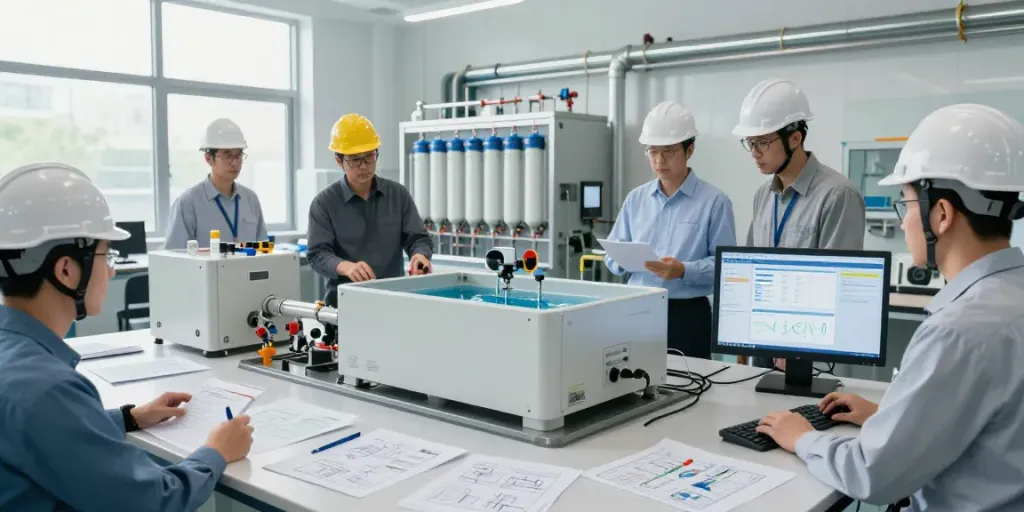
In the realm of water treatment, the demand for innovative and efficient solutions is more pressing than ever. Integrated Modular Systems represent a pivotal approach in addressing various water-related challenges faced by industries today. These systems combine modular design concepts with integrated functionalities to create cohesive, scalable solutions that can be deployed in diverse applications. The versatility of Integrated Modular Systems makes them particularly appealing to manufacturers and suppliers in the water treatment sector, such as QILEE, who specialize in crafting tailored solutions for specific needs. When exploring options, Integrated Modular Systems provide comprehensive insights into addressing water treatment challenges effectively.
What Are Integrated Modular Systems?
Integrated Modular Systems refer to a design and implementation strategy that utilizes multiple, interchangeable modules to create a complete system. In water treatment, this means that various functionalities—such as filtration, chemical dosing, and sludge management—can be combined within a single, cohesive framework. This approach not only enhances operational efficiency but also simplifies maintenance and scalability. By adopting an integrated mindset, facilities can easily adjust to changing requirements or regulatory standards without overhauling their entire system.
Key Components of QILEE's Offerings
QILEE's Integrated Modular Systems include a range of products designed to meet the specific needs of water treatment applications. Key components are:
- Integrated Membrane Water Treatment Systems: These systems employ advanced filtration technologies to effectively remove contaminants from water, ensuring high-quality output for various uses.
- Chemical Treatment Systems: These systems are designed for the precise dosing of chemicals to optimize water quality and treat specific contaminants.
- DAF Integrated Treatment Systems: The Dissolved Air Flotation (DAF) system includes a chemical dosing and sludge dewatering unit, tailored for wastewater with low floc density, maximizing performance and reliability.
Benefits of Modular Systems for Water Challenges
The advantages of Integrated Modular Systems are numerous, particularly in water treatment settings. They include:
- Flexibility: Modular systems can be reconfigured or expanded as treatment needs change, allowing for a more responsive approach to water management.
- Efficiency: By integrating multiple functions within a single system, operational efficiency is increased, reducing the need for separate equipment and facilitating easier maintenance.
- Cost-Effectiveness: The installation and maintenance of a single, integrated system can be more economical than managing multiple standalone units.
- Improved Performance: Integrated systems are designed to work in harmony, leading to improved overall performance compared to uncoordinated systems. This results in better treatment outcomes for water quality.
Core Offerings of QILEE’s Integrated Modular Systems
Integrated Membrane Water Treatment Systems
The Integrated Membrane Water Treatment Systems from QILEE incorporate cutting-edge membrane technology to effectively separate contaminants from water. These systems are suited for both industrial and municipal applications, providing robust solutions for wastewater treatment, drinking water production, and process water purification. The membrane technology not only enhances performance but also reduces the footprint of the system, making it ideal for urban environments where space is at a premium.
Chemical Treatment Systems Explained
QILEE’s Chemical Treatment Systems enable precise chemical dosing and monitoring, ensuring optimal treatment levels are consistently maintained. These systems are integral to addressing specific contaminants, such as heavy metals and organic compounds, and can be customized to meet various regulatory standards. By automating the dosing processes, facilities can enhance safety and reliability while minimizing the risk of human error.
DAF Integrated Treatment Systems: Features and Benefits
The DAF Integrated Treatment Systems are designed specifically for wastewater that contains suspended solids and flocs with lower density than water. The unique combination of chemical dosing and sludge dewatering within a compact structure allows for high performance and reliability. This system is particularly beneficial for industries that produce challenging wastewater, such as food processing and textiles, which often require specialized treatment approaches.
Applications of Integrated Modular Systems in Various Industries
Wastewater Treatment Applications
Integrated Modular Systems are widely employed in wastewater treatment plants, where they are used to improve the efficiency of sludge management, enhance filtration processes, and ensure compliance with environmental regulations. Their modular nature allows for easy scalability and adaptation to changing regulatory requirements, making them invaluable for municipalities seeking to upgrade aging infrastructure.
Industrial Process Water Solutions
In industrial settings, Integrated Modular Systems play a crucial role in process water treatment. Industries such as pharmaceuticals, petrochemicals, and food and beverage rely on these systems to maintain high standards of water quality for production processes. QILEE’s tailored solutions can optimize chemical treatments and filtration, ensuring operational efficiency while minimizing downtime.
Municipal Water Treatment Facilities
Municipal facilities benefit from Integrated Modular Systems by achieving improved water quality and compliance with strict safety standards. These systems facilitate the treatment of various water sources, including surface water, groundwater, and recycled wastewater, ensuring that communities have access to safe drinking water. Additionally, their flexibility allows municipalities to enhance their systems incrementally, adapting to population growth and evolving needs.
Best Practices for Implementing Integrated Modular Systems
Assessing Water Treatment Needs
Before implementing an Integrated Modular System, it is crucial to assess the specific water treatment needs of the facility. This includes evaluating current water quality, identifying contaminants, and understanding regulatory requirements. A comprehensive assessment will guide the selection of the appropriate modules and configurations, ensuring optimal system performance.
Integrating with Existing Infrastructure
Successful integration of modular systems with existing infrastructure requires careful planning and execution. Facilities should evaluate their current systems and determine how new modules can be effectively incorporated into the existing framework without disrupting operations. This may involve upgrading certain components or utilizing transitional solutions to bridge gaps.
Monitoring and Maintenance Strategies
To ensure long-term performance of Integrated Modular Systems, regular monitoring and maintenance are essential. Facilities should establish routine inspection schedules, implement automated monitoring tools, and train personnel on best practices for system upkeep. Proactive maintenance not only extends the lifespan of the system but also enhances treatment effectiveness.
Future Trends in Integrated Modular Systems for 2026 and Beyond
Emerging Technologies in Water Treatment
As technology continues to evolve, Integrated Modular Systems will benefit from advancements such as AI-driven monitoring and smart sensors, which enhance real-time decision-making capabilities. These technologies will enable facilities to optimize their treatment processes further, improving efficiency and reducing operational costs.
Sustainability and Environmental Impact
In the future, sustainability will remain a top priority for water treatment systems. Integrated Modular Systems will increasingly incorporate eco-friendly technologies, such as energy-efficient pumps and alternative energy sources, to minimize environmental footprints. This focus on sustainability aligns with global efforts to preserve water resources and combat climate change.
Adapting to Regulatory Changes and Challenges
The landscape of water treatment regulations is continually changing, with stricter standards emerging in response to environmental concerns. Integrated Modular Systems will need to adapt to these changes by offering flexible, customizable solutions that allow for compliance with new regulations while maintaining operational efficiency.
What is an example of a modular system?
An example of a modular system in water treatment would be a mobile water purification unit that comprises various treatment modules, such as microfiltration, ultrafiltration, and reverse osmosis, which can be deployed as needed based on specific water quality challenges.
How much does a modular system cost?
The cost of a modular system varies significantly based on its configuration, the technology used, and the specific applications it is designed for. Generally, modular systems can offer cost savings by reducing installation time and minimizing the need for separate units.
What is modular integrated construction?
Modular integrated construction refers to a building approach where structures are prefabricated in sections and then assembled on-site. In the context of water treatment, this might involve the pre-assembly of treatment modules, which can be quickly connected to existing infrastructure.
What is the difference between modular and integrated design?
Modular design focuses on creating separate, interchangeable units that can function independently, while integrated design combines these modules into a single, cohesive system that operates seamlessly. Integrated Modular Systems leverage both concepts to enhance overall performance.
What are the advantages of integrated modular systems?
The advantages include increased flexibility, reduced costs, enhanced efficiency, and improved performance, making them an attractive solution for water treatment facilities facing evolving challenges.