Understanding Scissor Lift Mechanics
Scissor lifts are a vital piece of equipment in many industries, providing a means of elevating workers and materials to considerable heights while ensuring safety and efficiency. Understanding their mechanics, types, and components is crucial for selecting the right model for your needs. For detailed rental options, browse scissor lift offerings.
How Scissor Lifts Work
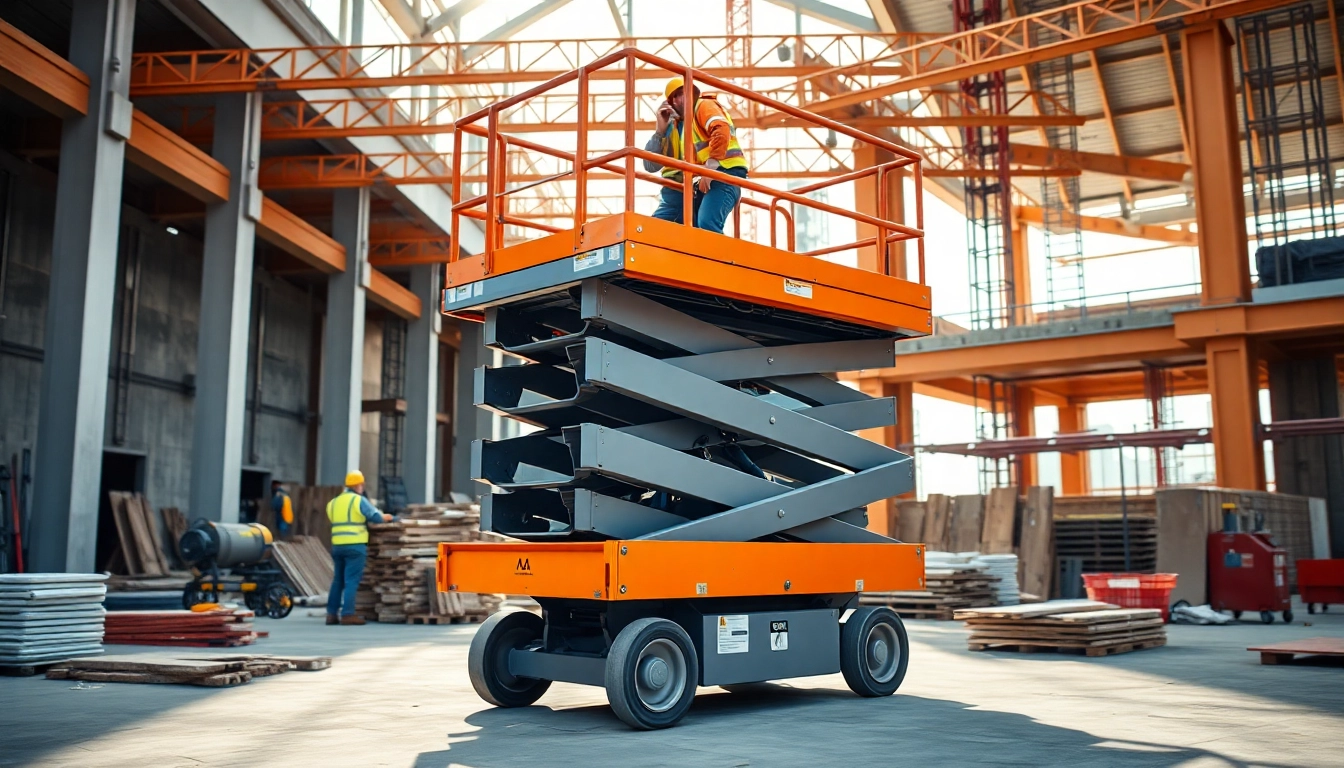
A scissor lift operates using a system of crisscrossed beams that extend and retract as hydraulic fluid is pumped into the system. The scissor-like motion allows the platform to rise vertically, making it ideal for projects requiring height access. The hydraulic system provides the necessary power to lift heavy loads safely while the structure remains stable. The mechanics are designed such that weight distribution stays balanced, minimizing the risk of tipping or collapsing.
Types of Scissor Lifts
There are various types of scissor lifts available, each tailored to specific applications:
- Standard Electric Scissor Lifts: Best for indoor applications, these lifts operate quietly and without emissions.
- Rough Terrain Scissor Lifts: Designed for outdoor and uneven surfaces, these lifts feature larger wheels and a more robust frame.
- Compact Scissor Lifts: Ideal for tight spaces, compact lifts are agile and easy to maneuver, perfect for urban construction sites.
- Dual Fuel Scissor Lifts: These versatile lifts can operate on either propane or electricity, catering to a wider range of environments.
Key Components of Scissor Lifts
Understanding the various components of a scissor lift can help in ensuring proper functionality and maintenance:
- Platform: The area where workers and materials are placed, often equipped with guardrails.
- Hydraulic System: Powers the lifting mechanism, crucial for safety and performance.
- Controls: Typically located on the platform, allowing the operator to maneuver and adjust height.
- Wheels and Casters: Facilitate movement and stability during operation.
Applications of Scissor Lift
Scissor lifts find applications across various sectors, significantly improving efficiency and safety during elevation tasks.
Construction and Maintenance Use Cases
In construction, scissor lifts are indispensable for reaching high areas, conducting inspections, or performing installation work. Maintenance tasks, such as changing light bulbs in high ceilings or servicing HVAC units, are simplified with the use of scissor lifts. By providing stable access at various heights, they minimize the risks associated with ladders or scaffolding.
Scissor Lift in Warehousing
In warehousing, scissor lifts are utilized for high-volume stock retrieval and inventory organization. They enable warehouse staff to efficiently move goods between different shelving levels, reducing the time spent on manual lifting and enhancing productivity. Scissor lifts designed for indoor use offer compact sizes that can navigate narrow aisles.
Benefits for Indoor Applications
Indoor scissor lifts, particularly electric models, provide several benefits, including:
- Noise Reduction: Their quiet operation makes them suitable for environments like offices or retail stores.
- Emission-Free Operation: Ideal for enclosed spaces, promoting a healthier work environment.
- Enhanced Maneuverability: Compact models can easily access tight spaces without sacrificing stability.
Choosing the Right Scissor Lift
Selecting the appropriate scissor lift for your project involves considering several factors to ensure it meets the specific requirements of your tasks.
Factors to Consider
When choosing a scissor lift, consider the following:
- Height Requirements: Determine the maximum height needed for your project to select a lift that meets these standards.
- Weight Capacity: Assess the weight of personnel and materials to ensure safety and compliance.
- Surface Type: Choose a model suitable for the terrain, whether it be rough outdoor surfaces or smooth indoor floors.
- Power Source: Consider whether an electric, gas, or dual-fuel model best fits your operational needs.
Common Specifications
Typical specifications to look out for in a scissor lift include:
- Maximum Platform Height: Generally ranges from 10 to 70 feet.
- Platform Capacity: Can range from 500 to 2,000 pounds.
- Dimensions: The size of the lift in terms of width and length affects its maneuverability.
- Maximum Drive Height: The maximum height you can drive the lift at can vary, with most models being limited.
Purchasing vs. Renting
Determining whether to purchase or rent a scissor lift depends on several factors, including budget, project duration, and frequency of use:
- Renting: Beneficial for short-term projects, it allows for flexibility without the overhead costs of ownership.
- Purchasing: Ideal for companies that require frequent access to a scissor lift, as it can be more economical in the long run.
Safety Guidelines for Operating Scissor Lifts
While scissor lifts offer many benefits, adhering to safety guidelines is critical to prevent injuries and accidents during operation.
Pre-Operation Checks
Before using a scissor lift, operators should conduct thorough pre-operation checks:
- Inspect the Lift: Check for leaks, damaged components, and ensure that the platform is secure.
- Test the Controls: Confirm that all controls are functioning correctly and respond appropriately.
- Review Safety Features: Ensure that guardrails and safety bars are in place.
Best Practices During Operation
Following best practices enhances safety while using scissor lifts:
- Maintain Stability: Do not exceed weight limits and ensure the lift is set up on level ground.
- Proper Training: Only trained personnel should operate the lift to ensure compliance with safety standards.
- Stay Inside the Guardrails: Always remain within the confines of the platform to reduce the risk of falls.
Emergency Procedures
Understanding emergency procedures is crucial for safe operation:
- Emergency Lowering: Familiarize yourself with the procedures for lowering the lift in an emergency.
- Communication: Establish clear communication signals among team members during use.
- Know Emergency Exits: Ensure all operators are aware of the fastest routes to safety in case of an incident.
FAQs About Scissor Lifts
What is a scissor lift used for?
A scissor lift is commonly used for elevating workers and equipment for construction, maintenance, and warehousing tasks.
How high can a scissor lift go?
Scissor lifts can typically reach heights between 10 to 70 feet, depending on the model and specifications.
Are scissor lifts safe to use?
When used following safety guidelines, scissor lifts are safe for lifting personnel and materials in various environments.
What type of scissor lift is best for indoor use?
Electric scissor lifts are ideal for indoor use due to their quiet operation and minimal emissions, making them suitable for tight spaces.
Do I need training to operate a scissor lift?
Yes, operators should receive proper training to ensure safe and effective use of scissor lifts, including understanding controls and safety measures.