The Importance of Computer Vision for CCTV
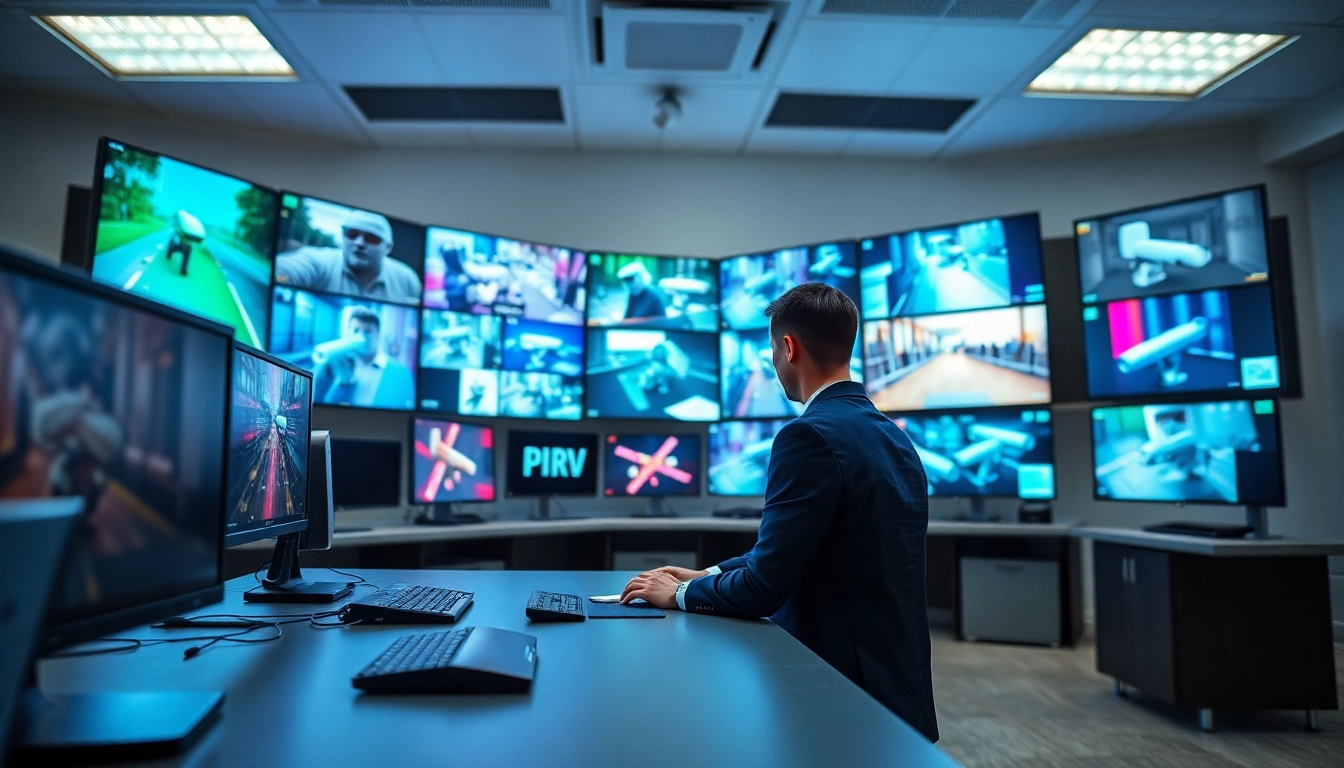
In a rapidly evolving security landscape, the integration of technology into traditional monitoring systems has become paramount. computer vision for CCTV offers a transformative approach that enhances the efficiency and effectiveness of surveillance operations. By enabling cameras to not only capture visuals but also interpret and analyze them in real time, computer vision allows for a proactive and intelligent security framework.
Understanding Computer Vision Basics
Computer vision is a field of artificial intelligence that enables computers to interpret and understand visual information from the world. In the context of CCTV, this technology uses algorithms and models to process video data, making it easier to identify patterns, detect anomalies, and track objects. The concept relies heavily on machine learning techniques, which allow systems to learn from data and improve their performance over time.
Benefits of Integrating Computer Vision
The integration of computer vision into CCTV systems brings several advantages:
- Enhanced Threat Detection: Systems can automatically detect suspicious behavior, unauthorized access, or unusual patterns.
- Real-Time Alerts: Immediate notifications reduce response times, increasing the chances of effective intervention.
- Operational Efficiency: Reduces the need for human monitoring, allowing staff to focus on critical tasks.
- Data-Driven Insights: Analytics can provide valuable insights into security practices and operational improvements.
Common Use Cases in Security
Computer vision has a multitude of applications within security settings:
- Facial Recognition: Identifying and verifying individuals in real time based on their facial features.
- Object Detection: Recognizing and tracking objects within the camera's view, such as vehicles and people.
- Incident Analysis: Analyzing recorded footage to identify the sequence of events during security breaches.
- Pattern Recognition: Recognizing normal behavior patterns to detect anomalies that may indicate threats.
How Computer Vision Enhances CCTV Functionality
Real-Time Analytics and Monitoring
The introduction of real-time analytics through computer vision allows for instantaneous decision-making in security applications. With advanced algorithms, CCTV systems can analyze video feeds as they happen, providing security personnel with immediate feedback on potential incidents. This is crucial in environments where quick responses can mitigate risk, such as public spaces, banks, or airports.
Automatic Threat Detection Techniques
Automatic threat detection leverages powerful machine learning algorithms to identify possible security breaches. These systems are trained on various datasets, enabling them to recognize threats such as fights, thefts, or vandalism without human intervention. By utilizing techniques such as frame differencing, motion tracking, and behavior analysis, these systems can effectively minimize false alarms and enhance overall security responsiveness.
Advanced Data Interpretation
Beyond detection, computer vision systems can interpret complex data and generate insights from video feeds. For instance, anomaly detection algorithms can flag unusual behavior patterns that deviate from the norm, assisting in identifying potential risks. Additionally, data analytics can consolidate information from various sources into comprehensive reports, facilitating evidence-based decision-making for security management.
Choosing the Right Technology for Computer Vision
Key Features to Look For in CCTV Cameras
When selecting CCTV cameras equipped for computer vision, consider the following features:
- High Resolution: Cameras with higher pixel counts capture finer details necessary for accurate identification.
- Low-Light Performance: Night vision capabilities ensure functionality in various lighting conditions.
- Wide Dynamic Range (WDR): This feature allows cameras to perform well in scenes with contrasting light.
- Connectivity: Ensure compatibility with existing systems and network infrastructure.
Software Solutions Compatible with CCTV
Software integration is vital for maximizing the effectiveness of computer vision in CCTV systems. Look for solutions that offer:
- Analytics Capabilities: Advanced software will provide tools for data visualization and reporting.
- Scalability: As security needs grow, the software should support the addition of more cameras or functionalities.
- Interoperability: Choose software that can communicate seamlessly with other security systems, such as alarms and access control.
Integrating Existing Systems with Computer Vision
Many organizations already have installed CCTV systems, and integrating computer vision into these setups is often necessary. This can be achieved through:
- Upgrading Camera Hardware: Retrofitting existing cameras with smart technology capable of supporting computer vision features.
- Utilizing Edge Computing: Processing data at the edge (i.e., close to the camera) to enhance response times and analysis accuracy.
- Software Overlays: Incorporating analytics software that can run alongside existing video management systems.
Implementing Computer Vision for CCTV: A Step-by-Step Guide
Assessment of Security Needs
The initial step in implementing computer vision for CCTV is a thorough assessment of your security requirements. This involves identifying:
- Your key assets that need monitoring.
- Areas with the highest risk of incidents.
- The number of cameras and coverage required for comprehensive surveillance.
Installation and Configuration Guide
Once security needs are established, the next phase includes installing and configuring the CCTV system. Considerations include:
- Optimal camera placement to cover blind spots and ensure complete scene visibility.
- Proper alignment and calibration of cameras for optimal focal length and angle.
- Network setup ensuring sufficient bandwidth for data transmission and processing.
Testing and Optimizing Your System
After installation, rigorous testing is crucial. This should involve:
- Assessing the system under different conditions to ensure reliable performance.
- Validating alert mechanisms for automatic threat detection.
- Collecting feedback from security personnel to identify areas for improvement in system operation.
Future Trends in Computer Vision for CCTV
Innovations on the Horizon
The field of computer vision is continuously evolving, with innovations expected to enhance CCTV capabilities further. Developments such as:
- Deep Learning: Enhanced algorithms will improve detection accuracy and reduce false positives.
- Integration with IoT: Combining CCTV with IoT devices for smarter security solutions.
- Cloud-Based Analytics: Offloading processing to the cloud to enhance scalability and data management.
Challenges and Considerations
With every advancement, challenges emerge, including:
- Privacy Concerns: Implementing measures to balance security and privacy rights of individuals.
- Data Security: Ensuring the collected data is safeguarded against unauthorized access.
- System Complexity: The integration of sophisticated technologies can complicate system management.
Setting Up for Future Integrations
To effectively prepare for future enhancements, organizations should:
- Adopt modular systems that allow easy upgrades and integrations.
- Regularly review and adapt security strategies to account for advancements in technology.
- Invest in training personnel to equip them with the skills needed for new technologies.
Frequently Asked Questions
1. What is computer vision for CCTV?
Computer vision for CCTV refers to AI technology integrated into surveillance cameras, enabling them to analyze and interpret visual data, enhancing security monitoring capabilities.
2. How can computer vision improve security?
Computer vision enhances security by automating threat detection, providing real-time alerts, and delivering analytical insights to assess security effectiveness and respond proactively.
3. What types of incidents can computer vision detect?
Computer vision can detect various incidents, including unauthorized access, suspicious behavior, object removal, and environmental anomalies indicative of security threats.
4. Is it possible to upgrade existing CCTV systems to use computer vision?
Yes, existing CCTV systems can be upgraded by integrating compatible software and hardware solutions that support computer vision technologies and advanced analytics features.
5. What are the future trends in computer vision for CCTV?
Future trends include advancements in machine learning algorithms, increased integration with IoT devices, and more robust cloud-based analytics for improved scalability and data management.