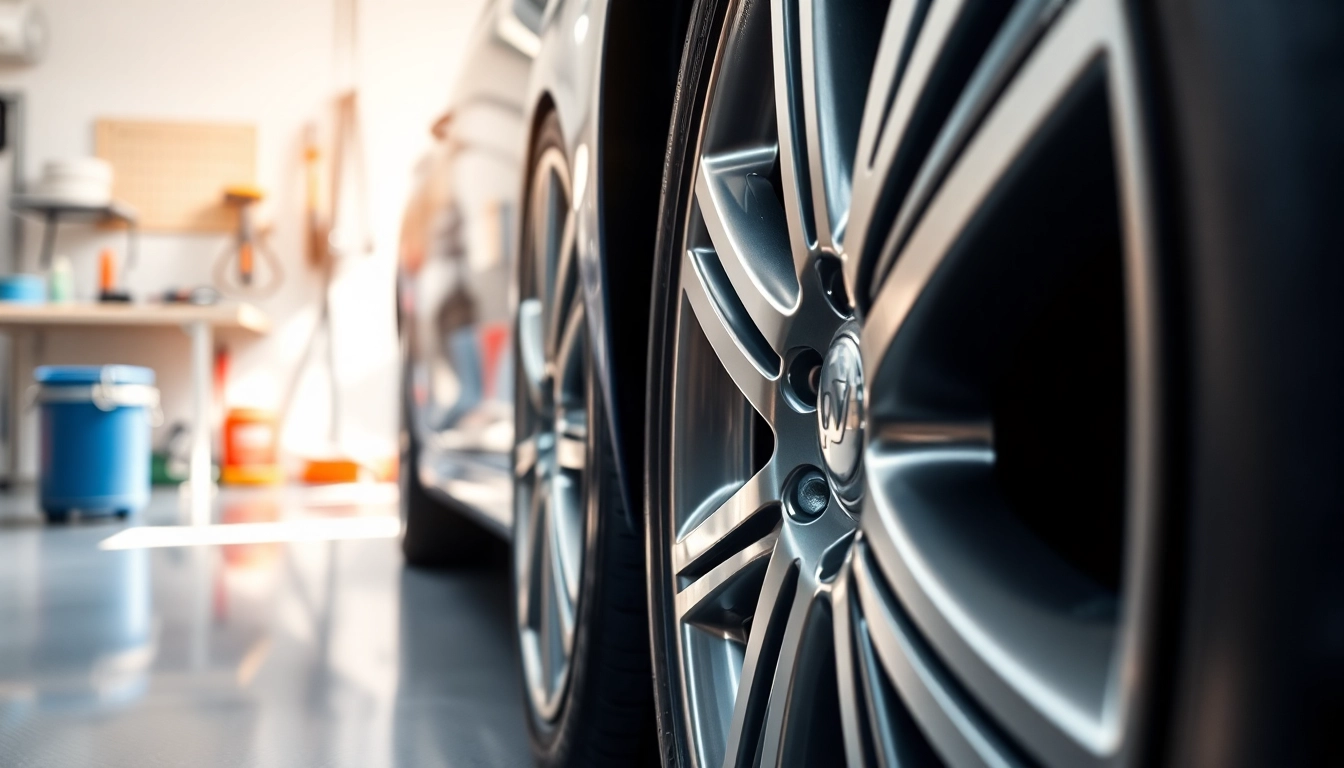
Understanding Wheel and Tire Cleaning Basics
Cleaning your car's wheels and tires is not just about aesthetics; it significantly contributes to the overall maintenance and longevity of your vehicle. The best way to clean car wheels and tires ensures that you're not only improving your car's appearance but also protecting it against harmful contaminants. Let's delve deeper into the essential aspects of wheel and tire cleaning.
Importance of Clean Wheels and Tires
Keeping your wheels and tires clean is crucial for multiple reasons. Firstly, contaminants like brake dust, dirt, and road grime can accumulate over time, which can lead to corrosion and damage. Secondly, clean wheels enhance the overall aesthetic appeal of your vehicle, adding to its resale value. Last but not least, clear visibility of the tires can help you identify wear patterns or potential issues early on, promoting safer driving.
Common Contaminants on Wheels and Tires
When it comes to wheels and tires, several contaminants can wreak havoc. Here are some common offenders:
- Brake Dust: This dust accumulates from the brake pads and can bond with the wheel surface, posing cleaning challenges.
- Road Grime: Dirt, mud, and debris from the road can accumulate and make your tires appear dull.
- Oil and Grease: These can come from road spills or mechanical work and may require special cleaners to remove.
- Iron Particulates: Found in industrial areas, iron particles can embed in the wheels, causing discoloration if not removed promptly.
Essential Tools for Cleaning
Before embarking on your cleaning journey, gather the necessary tools to make your task easier and more effective:
- Brushes: Multiple types including detailing brushes for intricate areas.
- Microfiber Cloths: For wiping and drying without scratching the surface.
- Buckets: Ideally a two-bucket method to separate dirty and clean water.
- Cleaner: A pH-balanced wheel cleaner tailored to the type of wheels (aluminum, chrome, etc.).
Step-by-Step Guide to Cleaning Car Wheels
Preparing Your Vehicle for Cleaning
Preparation is key to effective cleaning. Begin by parking your vehicle in a shaded area to prevent rapid drying of the cleaning agents. Gather all necessary tools and ensure you're wearing protective gloves. If your wheels are particularly dirty, pre-soaking them with water can loosen grime.
Choosing the Right Cleaning Products
Selecting the right cleaning products can vary depending on your wheel type. For painted or coated wheels, a gentle pH-balanced cleaner is sufficient. However, for more challenging contaminants like baked-on brake dust, a stronger alkaline cleaner may be necessary. Always check the manufacturer's recommendations to avoid damage.
Effective Cleaning Techniques
Here’s a simple, effective cleaning technique you can follow:
- Rinse: Start by rinsing the wheels with water to remove loose debris.
- Apply Cleaner: Spray the wheel cleaner generously, making sure to cover all surfaces. Let it dwell for a few minutes.
- Scrub: Use a wheel brush to scrub the surface, paying close attention to difficult spots.
- Rinse Thoroughly: Rinse off all cleaner, ensuring no residue is left behind.
- Dry: Use a microfiber cloth to dry the wheels completely, preventing water spots.
Best Way to Clean Car Tires
Using DIY Solutions
If you'd prefer not to purchase commercial products, you can create effective DIY cleaning solutions. A mix of baking soda and water can work wonders for light cleaning. For tougher grime, consider a vinegar solution. Apply your solution, scrub lightly, then rinse thoroughly.
Applying Tire Shine Products
After cleaning, applying a tire shine product can enhance your tires' appearance and protect against cracking. Choose water-based products over solvent-based ones. Apply a thin, even layer for the best results and allow it to dry completely before driving.
Maintaining Tire Health
Regular cleaning and maintenance can extend the life of your tires. Routinely check tire pressure and tread depth, and ensure that your tires are aligned and balanced. A clean tire tends to retain its characteristics better, navigating effectively and wearing evenly.
Frequently Asked Questions About Wheel and Tire Cleaning
How often should I clean my wheels and tires?
Ideally, clean your wheels and tires every two weeks, especially if you drive frequently in dirty conditions. This prevents buildup that can lead to damage.
What are the best cleaning products to use?
Use pH-balanced wheel cleaners for painted and coated wheels. For tough grime, look for alkaline wheel cleaners specifically designed for heavy brake dust.
Can I use household products for cleaning?
Yes, products like baking soda and vinegar can be effective for light cleaning. However, be cautious as some household products may not be safe for all wheel types.
Advanced Tips for a Professional Finish
Preventing Damage During Cleaning
Be gentle with your cleaning tools. Avoid harsh brushes that can scratch surfaces. Test your cleaner on a small spot first to ensure it won't discolor or damage the finish.
Polishing and Protecting Your Wheels
After cleaning, consider polishing your wheels with a suitable polish products. This not only enhances shine but also provides a protective layer against new grime accumulation.
Addressing Tough Stains and Brake Dust
For tough stains and heavy brake dust, let your cleaner sit longer but avoid letting it dry on the surface. Use a more robust cleaner or a clay bar for stubborn spots.