Understanding Deepfake Free Meetings
As technology advances, so does the potential for misuse, particularly in virtual environments where deepfake technologies can introduce significant risks. Understanding Deepfake free meetings has become essential for businesses striving to maintain integrity and trust in their communications. Deepfake technologies can create hyper-realistic audio and video content that mimics real individuals, which poses threats not only to privacy but also to organizational security. This article will delve into what constitutes deepfake free meetings, the importance of detection tools, common misconceptions about deepfake technologies, and how organizations can protect themselves.
What Are Deepfake Free Meetings?
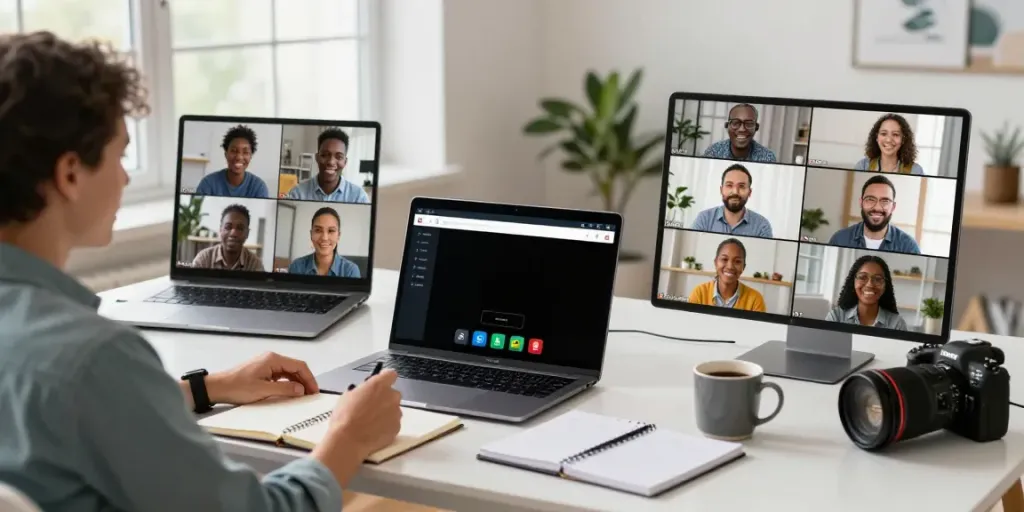
Deepfake free meetings refer to virtual discussions that leverage advanced technology to ensure all participants are genuine, and their identities are unaltered by synthetic manipulations. The term encapsulates the use of software and protocols that detect and block deepfakes, ensuring that participants can engage with confidence. In essence, these meetings utilize state-of-the-art detection systems to identify any attempts to disrupt authenticity through synthetic avatars or voice manipulations.
The Importance of Deepfake Detection in Virtual Environments
In an era where remote work is prevalent, the integrity of virtual meetings is crucial. Deepfake detection tools serve as gatekeepers, providing real-time analysis of faces and voices during virtual interactions. By employing these tools, businesses can safeguard sensitive information and defend against potential fraud or misinformation. In fact, the AI-driven detection mechanisms in place can analyze subtle anomalies in audio and visual feeds, promptly alerting users to possible deepfake threats.
Common Misconceptions About Deepfake Technologies
Despite the growing awareness surrounding deepfake technologies, several misconceptions persist. One prevalent myth is that deepfakes are solely a tool for entertainment or novelty. While they can indeed create engaging content, their implications for security are far-reaching. Another misunderstanding is that detection methods are infallible. Nonetheless, as deepfake technology evolves, so too must detection methods, necessitating continuous investment and training in cybersecurity for teams engaging in virtual meetings.
Challenges in Implementing Deepfake Free Meetings
Identifying Risks Associated with Deepfakes in Business Meetings
Organizations must recognize the diverse risks posed by deepfakes, including corporate espionage, identity theft, and reputational harm. A deepfake impersonating a key executive could disseminate false information, leading to financial losses or damaging business relationships. Additionally, these risks extend beyond internal meetings; external communications can also be compromised, making it necessary for organizations to implement robust detection solutions.
Common Obstacles to Adoption of Deepfake Detection Tools
Many organizations face hurdles when it comes to adopting deepfake detection tools. Limited budgets, lack of technical expertise, and resistance to change can impede implementation. Moreover, the fast-paced nature of technological advancement may deter organizations from investing in tools that could quickly become obsolete. It’s essential for companies to recognize that the investment in these tools is crucial for maintaining security in the ever-evolving landscape of virtual communication.
Strategies to Educate Teams on Deepfake Awareness
Educating teams about deepfake technologies is paramount in combating potential threats. Organizations should conduct regular training sessions that not only familiarize employees with detection tools but also teach them how to recognize deepfake signs. Implementing a culture of vigilance, where employees feel encouraged to report suspicious activities, is essential in fostering a more secure virtual environment.
Best Practices for Secure Virtual Meetings
How to Choose the Right Deepfake Detection Software
Selecting the appropriate deepfake detection software is critical for ensuring meeting integrity. Organizations should consider features such as real-time analysis capabilities, user-friendliness, and compatibility with existing communication platforms. It’s also advisable to look for software that is regularly updated to address new threats and vulnerabilities.
Steps to Create Deepfake Free Meeting Protocols
Establishing clear protocols for virtual meetings can significantly enhance security. Organizations should implement guidelines that require participants to enable video during meetings, as well as encouraging the use of authenticated meeting links. Regular audits of meeting security protocols should also be conducted to identify and address any weaknesses in the system.
Real-World Success Stories of Effective Detection
Numerous organizations have successfully integrated deepfake detection into their virtual meetings. For example, a leading financial institution implemented detection software that reduced the incidence of fraud attempts by over 40% within its first six months. By prioritizing deepfake detection, they not only safeguarded sensitive transactions but also bolstered employee trust and confidence in their virtual communications.
Future Trends in Deepfake Detection
Emerging Technologies for Enhanced Security
The future of deepfake detection is poised for innovation. Emerging technologies such as blockchain may offer new ways to authenticate video content, ensuring that it hasn’t been modified. Furthermore, machine learning algorithms will continue to evolve, becoming more adept at identifying subtle manipulations that human reviewers may overlook. As the landscape becomes more complex, organizations must remain adaptable and proactive.
Predictions for Deepfake Technology Evolution by 2026
By 2026, the advancements in deepfake technology are expected to challenge detection capabilities continuously. Increased integration of AI will facilitate the creation of even more convincing deepfakes, raising the stakes for organizations. This ongoing technological arms race necessitates a commitment to continuous improvement in detection tools and methodologies.
Preparing for the Future of Remote Collaboration
Organizations must prepare for a future where remote collaboration becomes the norm. This involves not only investing in deepfake detection technologies but also fostering a culture of awareness and responsiveness among team members. Emphasizing the importance of verification in communications will be key to maintaining security as collaboration expands globally.
Measuring Success in Deepfake Free Meetings
Key Performance Indicators for Meeting Effectiveness
To assess the effectiveness of deepfake detection measures, organizations should establish specific key performance indicators (KPIs). Metrics might include the frequency of detected threats, employee engagement in training programs, and incident response times. These KPIs will provide valuable insights into the efficacy of implemented strategies.
Analyzing User Feedback on Deepfake Detection Tools
User feedback is essential for refining deepfake detection systems. Organizations should gather insights from employees regarding their experiences with detection tools and incorporate this data into updates and training. Continuous improvement hinges on responsiveness to user needs and challenges.
Continuous Improvement: Adapting to New Threats
As technology evolves, so too must the strategies employed by organizations. Continuous monitoring of emerging threats will enable teams to adapt their protocols and detection measures accordingly. Regularly scheduled reviews of security measures and tools will help ensure that organizations remain one step ahead of potential deepfake threats.
What is Deepfake Detection and How Does It Work?
Deepfake detection involves the use of sophisticated algorithms and software to identify altered audio and visual content. By analyzing patterns and discrepancies in recordings, these tools can signal when a participant may not be who they claim to be. Understanding how these tools work is critical for organizations looking to maintain secure communications.
Are Deepfake Free Meetings Truly Secure?
While deepfake detection tools significantly enhance meeting security, no system is infallible. Organizations must prioritize ongoing education and vigilance among team members to maximize protection. A proactive approach combining technology with human awareness creates a more robust security framework.
How Can Teams Prepare for Deepfake Challenges?
Preparation for deepfake challenges involves comprehensive training, regular updates to detection technologies, and fostering a culture of awareness. By establishing protocols for reporting suspicious activities and engaging in regular security assessments, teams can significantly mitigate risks associated with deepfakes.
What Technology Supports Deepfake Detection in 2026?
As we look towards 2026, deepfake detection technologies will likely incorporate advanced AI and machine learning solutions that adapt to new deepfake techniques. Innovations such as decentralized identification systems may also play a role in enhancing verification processes during virtual meetings.
What Are the Signs of a Deepfake in Virtual Meetings?
Identifying a deepfake can be challenging, but several signs may indicate its presence, including unnatural facial movements, mismatched lip movements, and inconsistencies in voice tone. Teams should be trained to recognize these potential red flags during virtual interactions.