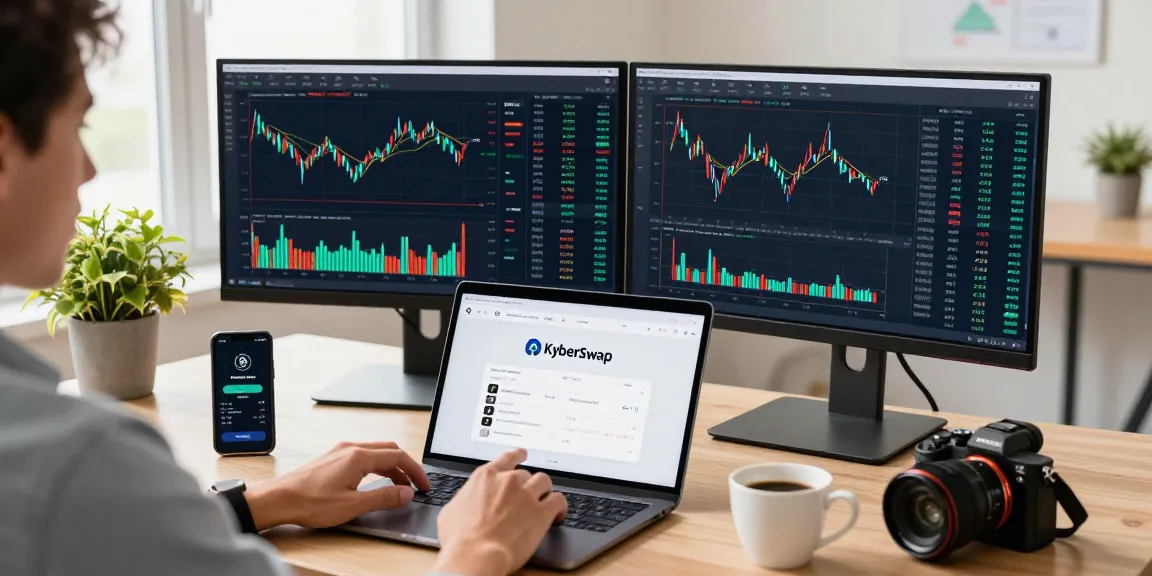
Understanding the kyber-swap Ecosystem
The world of decentralized finance (DeFi) revolutionizes how we perceive finance, and kyber-swap stands as a pillar of this transformation. Built by Kyber Network, this platform enables users to swap tokens across multiple blockchains while ensuring they maintain full control over their funds. Unlike traditional exchanges, KyberSwap allows for secure, non-custodial trades and is designed to operate seamlessly across different blockchain networks. As DeFi continues to grow, platforms like KyberSwap are crucial in providing liquidity and enabling efficient trading.
What is kyber-swap?
KyberSwap is a decentralized exchange (DEX) that operates as both a liquidity aggregator and a trading platform. It facilitates the swapping of tokens quickly and efficiently while enabling users to access the best available rates. The architecture of KyberSwap rests on smart contracts, ensuring that users have complete control over their assets throughout the trading process. This model embodies the core principles of decentralized finance: transparency, security, and user empowerment.
The Importance of Decentralized Finance
Decentralized finance represents a shift away from traditional financial systems that rely on intermediaries. In the DeFi space, users can engage with financial products directly on the blockchain, reducing costs and increasing accessibility. This democratization of finance enables more individuals to participate, offering opportunities for investment, trading, and earning potential previously limited to those with institutional access.
Key Features and Functionalities of kyber-swap
- Best-Rate Execution: KyberSwap’s aggregation engine ensures that users receive the most competitive rates by comparing prices across multiple liquidity sources.
- Dynamic Market Maker Model: The platform utilizes an advanced market-making algorithm that adjusts fees in real-time based on market conditions, enhancing capital efficiency.
- Multi-Chain Support: With deployment on several Ethereum Virtual Machine (EVM) compatible chains, KyberSwap provides users with the flexibility to trade on their preferred networks.
- Non-Custodial Trading: Users retain full control of their private keys, mitigating risks associated with centralized exchanges.
How kyber-swap Works
To appreciate the innovation behind KyberSwap, it’s essential to understand the mechanics of its operations. The platform leverages smart contracts to facilitate token swaps, enabling users to perform trades without intermediaries. This process not only enhances speed but also guarantees that users maintain control over their assets throughout the transaction.
Mechanics of Token Swaps
Swapping tokens on KyberSwap is straightforward. Users select the token they wish to exchange and the token they wish to receive. The platform then calculates the optimal path for the trade, potentially splitting the order across different liquidity pools to achieve the best rate. The entire process typically completes within a single block confirmation, showcasing the speed and efficiency of decentralized exchanges.
Understanding Liquidity Pools
Liquidity pools are a cornerstone of decentralized trading platforms. KyberSwap features its own liquidity pools where users can provide assets in exchange for a share of the transaction fees generated. The capital in these pools is used to facilitate trades, allowing for rapid execution and minimizing slippage.
Best-Rate Execution through Aggregation
KyberSwap's aggregation engine distinguishes it from traditional DEXs. Instead of relying solely on its liquidity pools, the engine scans various external sources to find the most competitive rates. This capability allows KyberSwap to consistently offer better prices to traders by optimizing order execution across multiple venues.
Utilizing the KNC Token
The Kyber Network Crystal (KNC) is an integral part of the KyberSwap ecosystem. Being the native token, it serves multiple functions within the platform, including governance, incentives, and staking opportunities. Understanding the role of KNC is vital for those looking to engage deeply with KyberSwap.
Governance and Decision-Making with KNC
KNC holders participate in the governance of KyberSwap through KyberDAO, a decentralized autonomous organization. This structure ensures that those who have a stake in the system can influence key decisions, including changes to parameters and incentive structures. By empowering users, KyberSwap fosters a community-driven approach to governance.
Incentives for Liquidity Providers
Liquidity providers on KyberSwap are rewarded not only through transaction fees but also by participating in incentive programs. These programs allow providers to earn additional yields on their deposited assets, making liquidity provisioning a lucrative venture. This model encourages more users to contribute their assets, enhancing the overall liquidity of the platform.
Staking and Long-Term Value Creation
Staking KNC tokens allows holders to earn rewards while also contributing to the stability of the platform. By locking their tokens in the KyberDAO, users can participate in governance while benefitting from the value created by the protocol. This dual function aligns the incentives of participants with the long-term success of KyberSwap, fostering a more resilient ecosystem.
Security and Risk Management
In the world of DeFi, security is paramount. KyberSwap employs rigorous security measures and best practices to safeguard user assets. Understanding how these mechanisms work is essential for anyone looking to participate in decentralized trading.
Smart Contract Audits and Security Measures
Smart contracts are the backbone of KyberSwap, and comprehensive audits are conducted to identify vulnerabilities and ensure the security of user funds. The commitment to continuous auditing reflects the understanding that in a decentralized environment, the risk of exploits can never be entirely eliminated.
Understanding Impermanent Loss
One of the inherent risks of providing liquidity is impermanent loss, which occurs when the price of tokens in a liquidity pool diverges. While this risk exists, KyberSwap's capital-efficient design aims to mitigate its impact, ensuring that liquidity providers can earn significant fees despite market fluctuations.
Best Practices for Safe Trading
For users, engaging with KyberSwap requires an awareness of best practices to minimize risks. This includes setting appropriate slippage tolerances, verifying contract addresses, and regularly auditing personal security measures. By adhering to these guidelines, traders can protect themselves while navigating the decentralized finance landscape.
The Future of kyber-swap and DeFi
The evolution of KyberSwap and the broader DeFi ecosystem is of significant interest to users and investors alike. As the market matures, understanding emerging trends will be key to leveraging the opportunities presented by decentralized exchanges.
Emerging Trends in Decentralized Exchanges
Decentralized exchanges are continuously evolving, with innovations focusing on enhancing user experience, security, and the breadth of available services. Features such as cross-chain capabilities and advanced trading options are becoming increasingly popular, allowing users to optimize their trading strategies.
Cross-Chain Capabilities and Multi-Chain Strategy
KyberSwap's multi-chain approach positions it well within the DeFi landscape. By supporting various EVM-compatible chains, the platform allows users to trade tokens across different networks efficiently. This cross-chain functionality not only enhances liquidity but also provides users with greater flexibility in their trading activities.
Preparing for 2026: Predictions and Developments
As we look ahead to 2026, innovative technologies and regulatory developments are likely to shape the future of decentralized finance. Platforms like KyberSwap that embrace change and adapt to new challenges will continue to lead the way in providing accessible and efficient trading solutions.
Frequently Asked Questions
What are the advantages of using kyber-swap?
KyberSwap offers users a range of advantages, including non-custodial trading, best-rate execution through aggregation, and multi-chain support. The platform is designed to maximize trading efficiency while ensuring user security and control over their assets.
How does kyber-swap ensure security for users?
Security on KyberSwap is reinforced through rigorous smart contract audits and a decentralized architecture that eliminates custodial risks. Users maintain control of their private keys, reducing the chances of loss due to centralized failures.
What is the role of KNC token in the ecosystem?
KNC serves as the governance and utility token within the KyberSwap platform, enabling users to participate in decision-making and incentivizing liquidity provision. Holding and staking KNC aligns the interests of users with the platform's long-term health.
How does kyber-swap compare to other decentralized exchanges?
KyberSwap distinguishes itself through its aggregation engine, which finds the best trade rates across a range of liquidity sources. Additionally, its dynamic market maker model and multi-chain strategy enhance financial efficiency compared to many traditional DEXs.
What strategies can optimize trading on kyber-swap?
To maximize trading success on KyberSwap, users should consider using limit orders, adjusting slippage tolerances, and diversifying their liquidity provision across multiple pools. Engaging with educational resources and staying updated on market trends can also bolster trading strategies.