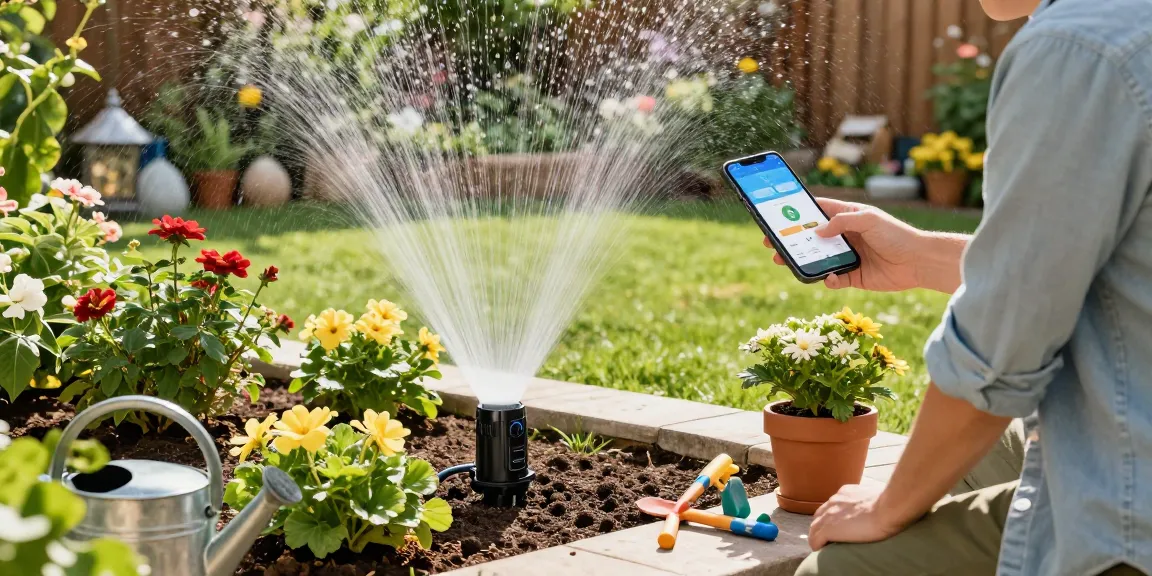
Understanding Smart Sprinklers
As environmental concerns continue to escalate and technology advances rapidly, homeowners are increasingly looking for efficient solutions to manage their gardens and lawns. This quest has led to the rise of smart sprinkler, which offer innovative features designed to optimize water usage while promoting lush plant growth. But what exactly is a smart sprinkler system, and how do they work? Let’s dive deep into the world of smart irrigation systems.
What is a Smart Sprinkler System?
A smart sprinkler system is a technologically advanced solution that automates the watering of your garden or lawn. Unlike conventional timers, these systems use various sensors and smart technology to adjust watering schedules based on several factors, including soil moisture levels, rainfall, and temperature. This ensures that plants receive the right amount of water at the right time, promoting healthier growth and conserving water resources.
Key Features and Benefits of Smart Sprinklers
- Water Conservation: Smart sprinklers can significantly reduce water wastage by customizing watering schedules and adapting to environmental conditions.
- Remote Control: Many smart sprinkler systems can be controlled via a smartphone app, allowing users to adjust settings from anywhere.
- Soil Moisture Sensors: These sensors help determine when to water based on actual soil moisture levels, preventing over or under-watering.
- Weather Integration: Advanced models can sync with local weather forecasts and automatically adjust watering schedules in response to impending rain.
- Data Analytics: Most smart irrigation systems provide detailed reports on water usage, allowing homeowners to track performance and make informed decisions.
Common Misconceptions about Smart Sprinklers
Despite their many advantages, smart sprinklers are often misunderstood. One common misconception is that they are too complicated to set up. In reality, most modern systems are designed for user-friendliness, with intuitive interfaces and step-by-step installation guides. Another misconception is that they are only beneficial for large properties. However, even small gardens can greatly benefit from the water-saving features of smart sprinklers, making them a wise investment for any homeowner.
Choosing the Right Smart Sprinkler
Selecting the right smart sprinkler involves understanding your specific garden needs, preferences, and the features offered by various models. The following factors can help determine the best fit for your outdoor space.
Factors to Consider When Selecting a Smart Sprinkler
- Size of Your Property: Larger yards may require multiple zones and more advanced systems, while smaller spaces might benefit from simpler setups.
- Plant Types: Different plants have varying watering needs, which should be considered when choosing your system.
- Connectivity: Ensure that the smart sprinkler you choose is compatible with your Wi-Fi and mobile devices for easy management.
- Budget: Smart sprinklers are available at various price points, so it's essential to balance features with your budget.
Best Smart Sprinkler Models for Beginners
For those new to smart irrigation, models like the RainPoint 2 Zone WiFi Water Timer offer an intuitive setup process and reliable performance. Designed with beginner users in mind, these systems provide comprehensive features without overwhelming complexity. The user-friendly mobile app enables easy configuration and monitoring, making it a suitable choice for those just starting their smart irrigation journey.
Assessing Your Garden’s Needs
Before investing in a smart sprinkler system, it's crucial to assess the specific requirements of your garden. Factors such as soil type, plant diversity, and sun exposure should be carefully considered to tailor the irrigation method effectively. A thoughtful assessment ensures that your system will not only conserve water but also promote optimal plant health.
Installation and Setup
Setting up a smart sprinkler is generally straightforward, but following a structured process can ensure optimal performance. Below is a step-by-step guide to help you install your system hassle-free.
Step-by-Step Guide to Installing Your Smart Sprinkler
- Gather the Necessary Tools: Make sure you have all required tools, such as a wrench, screwdriver, and possibly a drill for mounting the control panel.
- Choose Installation Location: Position the sprinkler timer where it can easily connect to the water source and Wi-Fi network.
- Connect the Hoses: Attach your garden hoses to the designated output ports, ensuring secure connections to avoid leaks.
- Install Sensors: If using soil moisture sensors, place them at appropriate locations in your garden.
- Power Up: Turn on the water supply and power up the system, ensuring everything works correctly before proceeding.
Connecting Your Smart Sprinkler to Wi-Fi
To take full advantage of your smart sprinkler, you need to connect it to your home Wi-Fi network. Most modern systems come with user-friendly apps that guide you through the connection process. This typically involves selecting your Wi-Fi network, entering your password, and waiting for the device to establish a connection.
Using the Mobile App for Effective Management
Once connected, the mobile app becomes the control center for your smart sprinkler. Users can set watering schedules, monitor water usage, and receive updates. Familiarize yourself with the app's features to maximize your system's potential and make adjustments as needed to cater to seasonal changes and plant growth.
Optimizing Water Usage
Effective water management is crucial for any gardener, especially in times of drought or increased water rates. Smart sprinklers are designed to help you make the most of every drop. Here are some tips for optimizing your water usage.
Understanding Watering Schedules and Preferences
Your smart sprinkler system should be able to accommodate your plants' specific watering needs. For instance, different types of plants thrive on unique watering schedules—sun-loving plants may require more frequent watering compared to shade-loving varieties. Adjust your irrigation schedules accordingly to cater to these preferences and ensure healthy growth.
Using Soil Moisture Sensors for Precision
Incorporating soil moisture sensors into your irrigation setup can dramatically enhance efficiency. These sensors detect the moisture level in the soil, allowing your smart sprinkler to water only when necessary. This not only conserves water but also promotes healthier plant development, as it prevents the problems associated with overwatering.
Tips for Conserving Water with Smart Technology
- Set Specific Zones: Divide your garden into zones based on plant types and moisture needs, then program your smart sprinkler accordingly.
- Water During Off-Peak Hours: To minimize evaporation, set your sprinklers to water early in the morning or late in the evening.
- Monitor Weather Changes: Use your smart sprinkler’s ability to integrate weather data to avoid watering before or after a rainstorm.
- Regularly Check System Performance: Keep an eye on your system's performance to identify any areas for improvement or maintenance needs.
Trends and Future of Smart Irrigation
The landscape of smart irrigation technology is continually evolving, driven by increased demand for sustainability and efficiency. Homeowners are not only looking for convenience but also seeking ways to contribute positively to environmental conservation.
Innovations in Smart Sprinkler Technology for 2026
As we look ahead, advancements in smart irrigation technology will likely include improvements in AI capabilities, allowing for more sophisticated data analysis and automated adjustments. Newer models may feature enhanced sensors that provide more accurate readings on environmental factors influencing plant growth.
Environmental Benefits of Using Smart Sprinklers
The use of smart sprinklers contributes significantly to environmental sustainability. By reducing water consumption, these systems not only help homeowners save on water bills but also support local ecosystems and combat water scarcity issues. Embracing such technology aligns with broader efforts toward responsible resource management.
Customer Testimonials and Case Studies
Real-life experiences highlight the effectiveness of smart sprinklers. For instance, a user managing a large garden with diverse plant life noted that the RainPoint 2 Zone WiFi Water Timer significantly improved growth while reducing their water consumption. Such testimonials offer valuable insights into the practical benefits of adopting smart irrigation solutions.
What are smart sprinklers and how do they work?
Smart sprinklers utilize a combination of timers, sensors, and technology to automate irrigation. They monitor conditions in real-time, adjusting watering schedules based on specific environmental data to ensure optimal plant health and water conservation.
Can smart sprinklers save me money on water bills?
Yes, by optimizing water usage and reducing waste, smart sprinklers can lead to lower water bills. Users often report significant savings after switching to automated irrigation systems.
Are there specific smart sprinkler brands I should consider?
Some top brands include RainPoint, Rachio, and Orbit, each offering a range of features to accommodate different gardening needs and budgets.
How do I maintain my smart sprinkler system?
Regular maintenance is crucial. This includes cleaning filters, checking connections for leaks, and ensuring that sensors are functioning correctly. Users should also update firmware as needed for optimum performance.
What are the compatibility options for smart sprinkler systems?
Most smart sprinklers are compatible with various home automation systems and can connect to different platforms, enhancing their utility and maximizing user convenience.