Understanding Lithium RV Batteries
What Are Lithium RV Batteries?
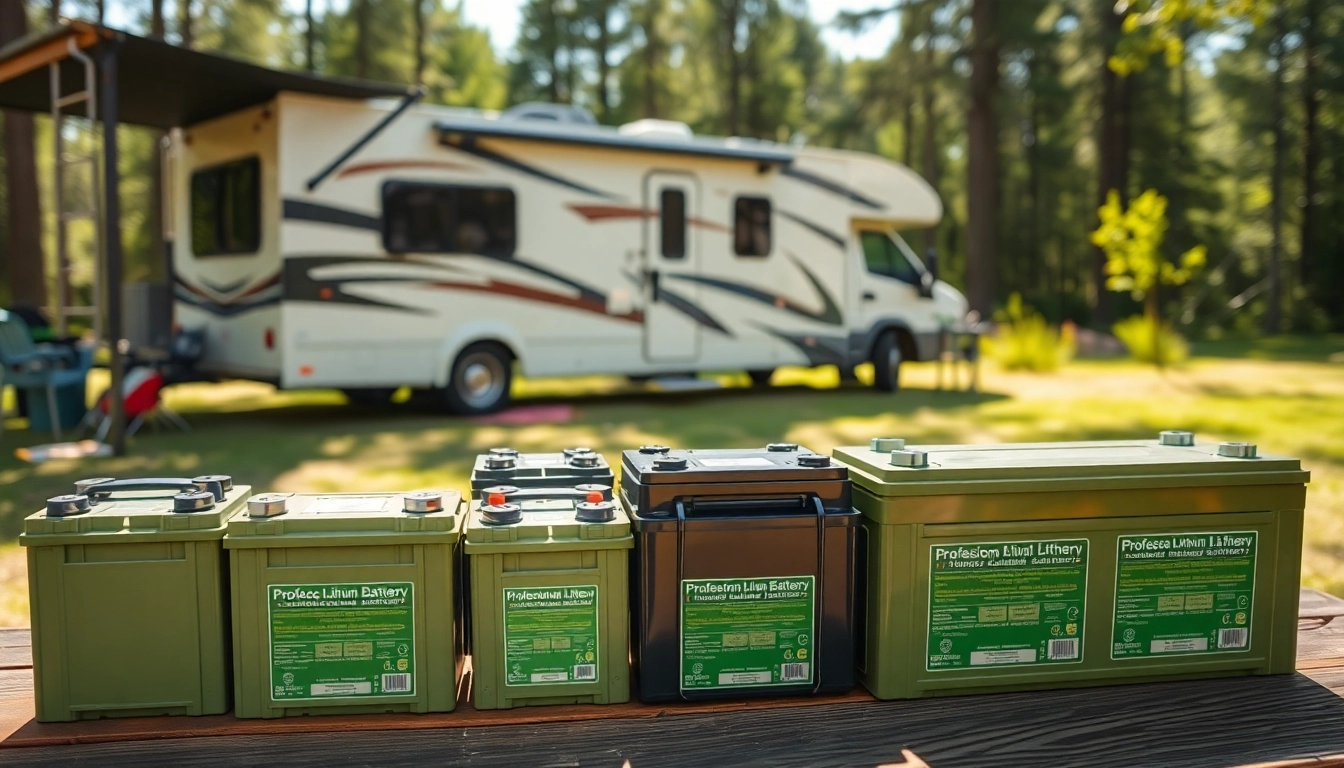
Lithium RV batteries represent a modern evolution in power storage solutions for recreational vehicles, providing an alternative to traditional lead-acid batteries. These advanced power sources are primarily made from lithium iron phosphate (LiFePO4) chemistry, which offers a range of advantages in terms of efficiency, lifespan, and overall performance. With the increasing reliance on electronic devices and appliances in RVs, the demand for reliable and efficient power options is crucial. The lithium RV batteries come equipped with advanced technology that meets these needs head-on.
Benefits of Lithium RV Batteries
One of the notable advantages of Vatrer Power lithium RV batteries over their traditional counterparts is their exceptional lifespan. While lead-acid batteries typically last about 3 to 5 years, lithium batteries can endure up to 10 years or more, depending on usage and maintenance. Additionally, lithium batteries are lighter than lead-acid batteries, making them easier to install and transport, which enhances the overall mobility of the RV. Another significant benefit is the superior discharge rate. Lithium batteries can deliver the maximum amount of power even when deeply discharged, ensuring consistent performance and eliminating flickering lights or sudden power loss during critical situations. Furthermore, they can be charged much faster than lead-acid batteries, enabling RV owners to maximize their time spent on the road rather than waiting for battery recharges.
Key Features to Consider
When choosing lithium RV batteries, several key features should be evaluated:
- Capacity: Measured in amp-hours (Ah), this determines how much energy a battery can store. RV owners should select a capacity based on their daily energy consumption.
- Discharge Rate: A high discharge rate improves the battery's performance under load, which is crucial for power-hungry appliances.
- Weight: Lighter batteries reduce the overall weight of the RV, improving fuel efficiency.
- Cycle Life: This indicates the number of charge and discharge cycles the battery can undergo before its capacity significantly diminishes.
- Temperature Range: Batteries should perform well in varying temperatures, especially in environments prone to extremes.
Comparing Lithium RV Batteries to Traditional Options
Performance Differences
Performance is one of the most critical factors to consider when comparing 12V 300Ah Lithium Battery with traditional lead-acid alternatives. Lithium batteries maintain a more consistent voltage throughout their discharge cycle. In contrast, lead-acid batteries experience a significant drop in voltage as they discharge, resulting in diminished performance over time. This reliable voltage output leads to less flickering and a more stable power supply for essential RV systems.
Cost-Effectiveness Over Time
While lithium batteries generally have a higher upfront cost than lead-acid batteries, the long-term savings are substantial. With a longer lifespan and superior efficiency, lithium batteries can provide better value over time. Frequent boondockers, or those who regularly camp off-grid, often find that the extra investment pays off within a few years due to the reduced need for replacements and maintenance.
Weight and Size Considerations
One of the most appealing aspects of lithium RV batteries is their lightweight design. Most lithium batteries weigh significantly less than corresponding lead-acid batteries, which translates to improved fuel economy and easier installation. For RV owners concerned about weight limitations, switching to lithium can be a game-changer.
Choosing the Right Lithium RV Battery
Capacity Ratings Explained
Capacity ratings are essential when selecting the right lithium RV battery. Battery capacity, often measured in amp-hours (Ah), indicates how much energy a battery can store. For RVs, common capacities range from 50Ah to over 300Ah, depending on storage needs. Understanding the energy demands of appliances and devices aboard the RV will help owners choose a battery that can meet their specific requirements without excessive cycling.
Matching Battery Types to RV Needs
Different RVs have varying power demands, and matching the right battery type to an RV's needs is paramount. For instance, larger RVs with many electronic gadgets may require high-capacity batteries, while smaller campers often require less power. Consulting power consumption charts and estimating usage patterns can assist owners in selecting the most suitable lithium battery.
Installation Tips for New Users
Installing lithium RV batteries can be a straightforward process, but there are essential tips to keep in mind:
- Safety First: Always wear safety gear and ensure that the RV's power is turned off before starting the installation.
- Follow Manufacturer Instructions: Each battery may have specific installation guidelines, so it's crucial to follow them closely.
- Use Appropriate Wiring: Ensure that the wiring is rated to handle the required current and voltage for the lithium battery.
- Positioning: Ensure proper ventilation and that the battery is secured to prevent movement while the RV is in transit.
Maintaining Your Lithium RV Batteries
Best Practices for Longevity
Proper maintenance can significantly increase the lifespan of lithium RV batteries. Here are a few practices to adopt:
- Regularly Charge: Maintain charge levels between 20% and 80% to preserve battery health.
- Avoid Deep Discharges: While lithium batteries can handle deeper discharges better than lead-acid, it's best to avoid discharging them completely regularly.
- Monitor Temperature: Extreme heat or cold can adversely affect performance. Store batteries in a moderate temperature range when possible.
Identifying Common Issues
Common issues with lithium RV batteries may include inadequate charging, which can lead to reduced performance. Monitor battery voltages regularly to ensure optimal performance. If any unusual behaviors occur—such as unusually fast battery discharge or failure to charge—consulting a professional is advisable.
Upgrading Your Battery System
When considering an upgrade to a lithium battery system, assess existing electrical components and compatibility. Some systems may require modifications to charging equipment or changes in wiring to handle the new battery type effectively. Often, upgrading can enhance the RV's overall efficiency and reliability.
Frequently Asked Questions
Are lithium batteries worth it for an RV?
Yes, for frequent RVers, lithium batteries are worth the investment due to their longer lifespan and better performance, resulting in cost-effectiveness in the long run.
How long will a 12V fridge run on a 100Ah lithium battery?
A 100Ah lithium battery can power a 12V fridge for about 2 to 3.5 days, depending on the fridge's power draw and usage habits.
Can I use lithium batteries with my existing system?
Yes, lithium batteries can be integrated with existing systems, but compatibility checks for chargers and inverters are essential before installation.
What makes lithium batteries safer for RV use?
Lithium batteries have built-in safety features that minimize risks like overcharging and short-circuiting, and they do not emit harmful gases like lead-acid batteries.
How do I dispose of old lithium batteries?
Old lithium batteries should be disposed of at designated recycling centers or collection points to ensure safe handling and environmental protection.