The Magic of Giant Building Blocks
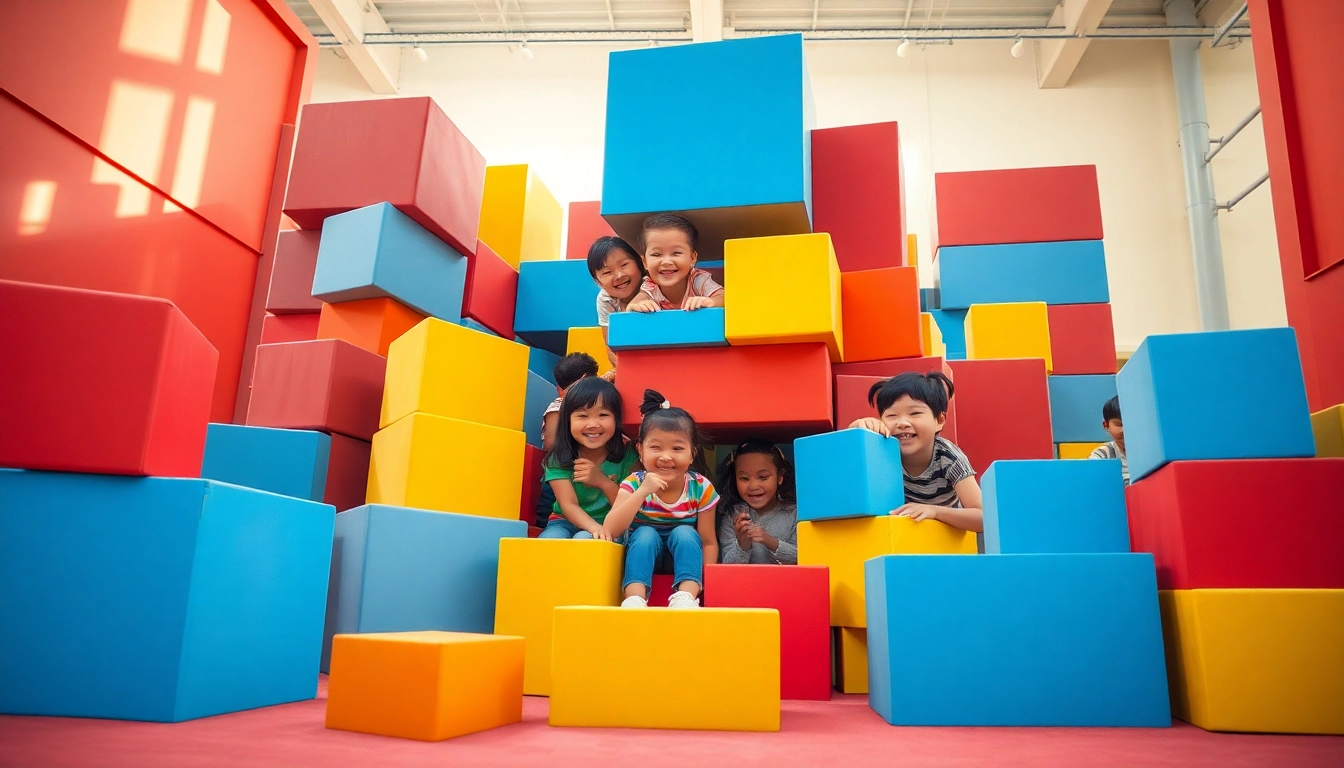
When it comes to child play and education, few toys can match the enchantment and versatility of giant building blocks. These larger-than-life, soft foam creations are not just massive versions of standard building blocks; they hold the potential to transform any indoor space into an imaginative wonderland. By enabling children to explore their creativity and motor skills, giant building blocks truly embody the magic of play. For parents looking to understand more about these toys and how to maximize their benefits for child development, get the details on the best options available.
Why Choose Giant Building Blocks?
The choice to incorporate giant building blocks into playtime often stems from their unique characteristics and the engaging experiences they provide. Unlike traditional toys, giant blocks are made from soft foam, making them safe for children of all ages. Their larger size invites creative building possibilities and collaborative play experiences, promoting essential social skills. Additionally, the lightweight nature of these blocks allows children to manipulate them easily, enhancing their physical coordination.
Benefits for Children's Development
Giant building blocks serve as more than just toys; they are crucial tools for holistic child development. When children engage with these blocks, they nurture several developmental areas:
- Motor Skills: Lifting, stacking, and balancing blocks help enhance fine and gross motor skills as children learn to control their movements.
- Cognitive Skills: Building structures stimulates problem-solving skills, spatial awareness, and critical thinking. Children learn to visualize outcomes and assess structural integrity.
- Social Skills: Collaborative play fosters communication, negotiation, and teamwork as children work together to create shared structures.
- Imagination: The endless possibilities that come with giant blocks spark creativity, encouraging children to create something unique and personal.
How They Inspire Imagination
The essence of play lies in imagination, and giant building blocks serve as a canvas for this emotional and creative exploration. Children are naturally curious, and the inviting size of these blocks engages their desire to invent and discover. From towering castles to vast space stations, the ideas are as boundless as their imagination. This open-ended play invites scenes of adventure, storytelling, and role-play that are crucial for emotional development and social interaction.
Choosing the Right Blocks
When it comes to selecting the ideal giant building blocks for your child, there are various factors to consider. With multiple types available on the market, understanding the differences is key to making an informed decision.
Types of Soft Foam Blocks
Giant building blocks come in a variety of shapes and sizes, and each type presents distinct opportunities for play. Some of the most common types include:
- Standard Blocks: These rectangular and square foam pieces allow for versatile stacking and building. They are often the foundation of most play scenarios.
- Shape Blocks: Available in circular, triangular, or custom shapes, these blocks introduce geometrical concepts and enhance creative building.
- Themed Sets: Many blocks come in themed sets, such as castle or vehicle kits, offering children a guided pathway to imaginative play.
Important Safety Features
Safety is a paramount concern for parents when choosing toys. Soft foam blocks typically come with several safety features:
- Non-toxic Materials: Ensure blocks are made from non-toxic foam, tested and approved for safety.
- Rounded Edges: Soft, rounded edges minimize risk of injury during play.
- Stable Design: Quality blocks maintain stability during stacking, reducing the likelihood of collapse and accidents.
Considerations for Age Appropriateness
When selecting building blocks, it’s essential to consider your child’s age. Age-appropriate blocks not only enhance safety but also ensure that the play experience is enriching:
- Infants and Toddlers: Look for large, easy-to-handle blocks that promote simple stacking and exploration.
- Preschoolers: Blocks with varied shapes and sizes foster creativity and introduce basic structural concepts.
- School-Aged Children: More complex sets may engage older children in collaborative building experiences and problem-solving challenges.
Creative Play Ideas
Giant building blocks offer a versatile medium for a wide range of creative play ideas, encouraging parents to guide their children in developing imaginative scenarios. Here are some engaging activities to consider:
Building Forts and Houses
One of the most classic uses of giant building blocks is constructing forts or houses. This activity allows children to explore spatial reasoning while encouraging imaginative role-playing. By designing their own living spaces, children learn about architecture and structure while being free to personalize their creations with pillows, blankets, and toys.
Creating Obstacle Courses
Transforming a room into an obstacle course using giant building blocks can be an exciting physical activity. Children can climb, jump, crawl, and maneuver through the course they create, boosting their physical fitness and coordination. Incorporating challenges and time trials makes it even more engaging, turning play into a fun exercise session.
Role-Playing Scenarios
Giant blocks can also be used to create environments for role-playing scenarios like “supermarket”, “construction site”, or “space station”. Incorporating accessories or costumes enhances the experience and stimulates social interactions. This type of imaginative play allows children to explore different roles, cultural contexts, and emotional situations.
Organizing Playtime Activities
Maximizing the playtime opportunities with giant building blocks requires thoughtful organization. Here are some tips to create a fun and educational atmosphere for your children:
Setting Up a Play Area
Designate a specific area in your home for block play to encourage creativity and minimize mess. Use a soft mat or rug to provide a safe and comfortable foundation, and arrange blocks in a way that invites exploration. Color-coding blocks can also add an educational aspect, helping children learn to match and sort.
Involving Friends and Family
Encourage social engagement by inviting friends and family members to join play. Collaborative building projects can be organized, fostering teamwork and bonding. Make it a tradition to create a new masterpiece together during family gatherings or playdates.
Integrating Educational Moments
Playtime can seamlessly combine entertainment with learning by integrating educational moments within play. Use block building to teach concepts such as basic math (counting and measurement), engineering principles (balance and stability), and even storytelling (constructing a scene for a favorite story). These interactions create valuable learning experiences that extend beyond basic play.
Maintaining and Caring for Your Blocks
To ensure the longevity of your giant building blocks, proper maintenance and care are essential. Here are some effective tips to keep them in top condition:
Cleaning and Hygiene Tips
Regular cleaning is important to prevent germs and maintain hygiene, especially with shared toys. Use mild soap and water for routine cleaning and keep blocks dry to avoid mold. For deeper cleans, disinfect with appropriate solutions while ensuring that materials remain safe and intact.
Storage Solutions for Easy Access
Implementing organized storage solutions makes it easy for children to access their blocks and helps instill responsibility. Use bins, baskets, or shelving that allows for easy visibility of the blocks, and encourage children to help put them away after playtime. Creative storage arrangements also help keep play areas tidy.
Long-term Care and Preservation
To prolong the life of soft foam blocks, avoid exposure to extreme sunlight and damp environments that may cause damage. Periodically inspect the blocks for wear and tear, and replace any overly damaged pieces to maintain safety during play. Storing blocks in a controlled environment will help preserve their quality and vibrancy.
FAQs About Giant Building Blocks
What are giant building blocks made of?
Giant building blocks are typically made from soft, non-toxic foam, ensuring they are safe for children while allowing for cushioning during play.
Are these blocks suitable for outdoor play?
While many giant blocks can withstand outdoor use, prolonged exposure to the elements may lead to damage. For outdoor play, ensure blocks are designed for that purpose.
How can I encourage my child to play with building blocks?
Set up themed activities, invite friends for collaborative building, and actively participate in playtime to inspire your child's interest in using building blocks.
Can giant blocks be used for educational purposes?
Yes! They offer excellent opportunities to teach concepts like measurements, basic math, and spatial awareness through fun and interactive play.
How do I prevent my child from losing interest in blocks?
Regularly introduce new challenges, change the play setup, and suggest innovative games and themes to keep playtime fresh and engaging for your child.