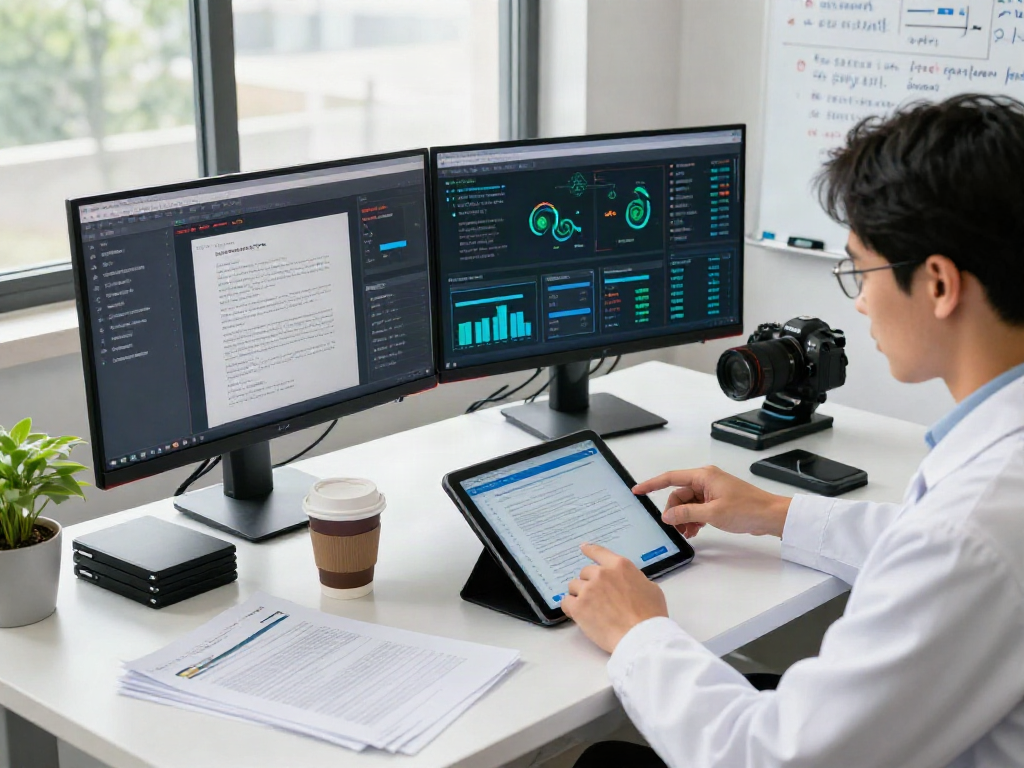
The Importance of Building Internal Tools with AI
In today’s rapidly evolving business environment, the need for efficiency and automation has never been more critical. As organizations strive to optimize workflows, the ability to build internal tools with AI is transforming how teams operate—allowing them to streamline processes and enhance productivity without the need for extensive coding knowledge. This shift not only saves time but also minimizes human error, enabling teams to focus on more strategic initiatives.
Why Businesses Need Internal Tools
Internal tools are essential for businesses aiming to modernize operations and improve team collaboration. They serve various purposes, from managing projects to automating repetitive tasks, thus freeing employees from mundane duties. By developing customized tools tailored to specific needs, organizations can enhance their agility, respond swiftly to changes, and maintain a competitive edge.
Moreover, internal tools can lead to higher job satisfaction as employees spend less time on tedious tasks and more time on creative projects that add value to the company. This can significantly reduce turnover rates and foster a more innovative workplace culture.
The Role of AI in Process Automation
Artificial Intelligence plays a pivotal role in modernizing internal tools. By leveraging AI algorithms, businesses can automate various processes, including data entry, customer support, and reporting. AI-driven tools not only improve operational efficiency but also enhance data accuracy, allowing teams to access real-time insights that inform decision-making.
Furthermore, AI can learn from historical data and user interactions, continually refining its processes. This adaptability allows organizations to meet evolving business demands and optimize performance over time.
Avoiding the Pitfalls of Manual Processes
Manual processes are often fraught with inefficiencies and high risks of errors. By relying on spreadsheets and email threads, teams can quickly become overwhelmed, leading to missed deadlines and miscommunication. Building internal tools with AI mitigates these issues by streamlining processes and improving transparency.
Additionally, AI tools can keep track of tasks and automate reminders, ensuring that critical actions aren't overlooked. This level of organization is essential in industries where timely responses can significantly impact customer satisfaction and overall success.
Getting Started: Planning Your Internal Tool Strategy
Before diving into development, it's crucial to establish a clear strategy for your internal tools. This involves understanding team needs, selecting the appropriate technology, and devising an effective implementation plan.
Identifying Team Needs and Pain Points
The first step in creating effective internal tools is to gather feedback from various team members. Conduct surveys or hold workshops to identify common pain points and areas where manual processes fall short. This collaborative approach ensures that the tools you build are relevant and genuinely address the needs of your team.
Choosing the Right AI Technology for Your Tools
There's a plethora of AI technologies available today, each with its unique capabilities and applications. When selecting a platform for your internal tools, consider factors such as scalability, ease of use, and integration with existing systems. For instance, platforms that offer no-code or low-code solutions can empower teams to develop their tools without extensive coding skills, making it easier and faster to implement AI functionalities across various departments.
Creating a Step-by-Step Implementation Plan
A well-documented implementation plan is vital for the successful deployment of internal tools. This plan should outline key milestones, responsibilities, timelines, and performance metrics. Start small by developing a prototype and gradually expanding functionalities based on user feedback and system performance.
By breaking down the development process into manageable steps, you can reduce the likelihood of mistakes and ensure that the tool meets organizational goals while adapting to changing requirements.
Building Internal Tools: A Step-by-Step Guide
Once you have your strategy in place, it's time to start building your internal tools. This section provides a comprehensive guide to ensure your development process is efficient and effective.
Designing User-Friendly Interfaces
The usability of an internal tool significantly impacts its adoption. Focus on designing intuitive interfaces that enhance the user experience. Incorporate feedback mechanisms and user testing to refine your design continuously. A user-friendly tool encourages engagement and reduces training time, allowing employees to adopt new processes quickly.
Integrating AI Functionality into Your Tools
AI functionality can be integrated at various levels within your tool. Whether it's predictive analytics for forecasting workloads or natural language processing capabilities for chatbots, consider which AI features align with your team's needs. Ensure that these functionalities enhance user experience and provide tangible value to the operations.
Testing and Iteration: Key Success Factors
Testing is an integral part of the development process. Regularly evaluate your internal tools to identify areas for improvement. Employ iterative development practices, allowing for modifications based on real-world usage and feedback. By staying flexible, you can ensure that the tools remain effective and relevant over time.
Real-World Examples of Successful Internal Tools
To understand how internal tools can drive efficiency and productivity, let’s explore some real-world examples of successful implementations.
Case Study: AI-Driven ETA Notifier Implementation
In a logistics company, the introduction of an AI-driven ETA notifier drastically improved customer communication. By automatically sending customers updates about delivery times, the company significantly reduced the volume of incoming calls inquiring about delivery status. This tool not only improved customer satisfaction but also allowed dispatchers to focus on more critical tasks.
Lessons from the Waiting on Reply Tracker
A marketing agency developed a "Waiting on Reply" tracker that organized all ongoing email threads. This tool identified which messages required follow-ups, ensuring that no important communication was overlooked. The implementation of this tracker led to faster response times and improved client relations, as teams could easily monitor and manage their correspondence.
Building a Follow-Up Tracker that Works
Another success story involves a startup that created a follow-up tracker for leads. By maintaining a clear record of interactions, the sales team was able to follow up with leads more effectively, resulting in a 30% increase in conversions. This demonstrates the power of a well-structured internal tool in driving sales growth.
Future Trends in Internal Tools with AI
As technology progresses, the future of internal tools will be shaped by advancements in AI and machine learning. Here are some anticipated trends that will impact how businesses operate.
Emerging AI Capabilities in 2026
By 2026, AI capabilities are expected to evolve dramatically. Tools will become more proactive, capable of predicting user needs and suggesting actions before tasks become urgent. The integration of AI in project management will likely streamline workflows, reduce bottlenecks, and facilitate better resource allocation.
Challenges and Considerations for Businesses
While AI presents numerous opportunities, businesses must also navigate challenges such as data privacy concerns and the need for continuous training. It's essential to establish governance frameworks that ensure compliance with regulations while maximizing the benefits of AI technology.
The Future of No-Code Development Platforms
No-code development platforms are set to revolutionize internal tool development. These platforms empower non-technical team members to create and customize tools easily. This democratization of technology will enable businesses to innovate faster and stay adaptive in an ever-changing market landscape.
What are the benefits of building internal tools with AI?
Building internal tools with AI offers numerous benefits, including enhanced efficiency, reduced operational costs, and improved accuracy in tasks. By automating routine processes, teams can focus on strategic initiatives that drive business growth.
How long does it take to build an internal tool?
The timeline for creating an internal tool can vary based on complexity and team availability. However, with a clear plan and leveraging no-code platforms, teams can often develop functional tools in a matter of weeks rather than months.
Can small businesses use AI to build internal tools?
Absolutely! Small businesses can leverage AI and no-code platforms to develop internal tools that meet their specific needs without requiring significant investment. This accessibility allows small businesses to optimize their operations affordably.
What skills are needed to build internal tools with AI?
While coding skills can be beneficial, they are not strictly necessary for building internal tools with AI, especially with the availability of no-code platforms. Key skills include understanding team processes, project management, and basic data analysis.
How does AI improve internal business processes?
AI improves internal business processes by automating repetitive tasks, providing insights through data analysis, and facilitating better decision-making. The result is streamlined operations, increased accuracy, and enhanced overall productivity.